
A single slip-and-fall incident at your storefront, a client's laptop damaged during a meeting at your office, or a subcontractor's work gone wrong on a job site: these are the kinds of everyday scenarios that can cost an Ontario business tens of thousands of dollars in legal fees and settlements. Most business owners don't think much about liability coverage until they're staring at a demand letter. By then, the options are limited and the stress is real.
General liability insurance in Ontario isn't just a box to check. It's the financial backstop that keeps a bad day from becoming a business-ending catastrophe. Whether you're a
sole proprietor running a
consulting firm in Mississauga or managing a growing
construction crew in Thunder Bay, understanding what this coverage does, what it costs, and how to buy it properly can save you from a world of pain. Here's what actually matters.
Understanding General Liability Insurance in Ontario
At its core, a general liability policy protects your business against third-party claims for bodily injury, property damage, and certain types of personal injury like defamation or copyright infringement in your advertising. Think of it as the insurance that covers harm your business causes to people who aren't your employees.
In Ontario, this coverage is typically sold as a Commercial General Liability (CGL) policy. It's distinct from professional liability (which covers errors in your professional advice), commercial property insurance (which covers your own stuff), and workers' compensation through the WSIB. A CGL policy specifically addresses situations where someone outside your company gets hurt or their property gets damaged because of your business operations, your products, or your premises.
What Commercial General Liability (CGL) Covers
A standard CGL policy in Ontario covers three main categories of risk. The first is third-party bodily injury and property damage: a customer trips on a wet floor in your shop, or your delivery driver backs into a client's fence. The second is personal and advertising injury: you're accused of slander, libel, or using someone else's slogan in your marketing. The third is medical payments: minor medical expenses for someone injured on your premises, paid regardless of fault to prevent small incidents from becoming lawsuits.
Most CGL policies also cover your legal defense costs, which is often the most expensive part of any claim. Even frivolous lawsuits can cost $20,000 to $50,000 to defend in Ontario, and that money comes out of your pocket without coverage.
Why Ontario Small Businesses Need Coverage
Ontario doesn't have a blanket law requiring every business to carry general liability insurance. But the practical reality is that operating without it is reckless. Landlords almost universally require it before signing a commercial lease. General contractors won't let subcontractors on site without proof of coverage. Government contracts and many private-sector RFPs list minimum insurance requirements as a condition of bidding.
Beyond contractual obligations, Ontario's legal environment makes this coverage essential. Court awards for personal injury in the province regularly exceed $100,000, and legal defense costs pile up fast. A small landscaping company or a freelance event planner could face a claim that wipes out years of revenue. The average CGL policy for a low-risk Ontario small business runs between $400 and $1,500 per year: a fraction of what a single uninsured claim would cost.
By: Patrick Caruso
President of Caruso Insurance Services
Core Components of a CGL Policy
Understanding the moving parts of your policy prevents nasty surprises when you actually need to file a claim. Most business owners glance at the coverage limit on the declaration page and stop reading. That's a mistake.
Bodily Injury and Property Damage Claims
This is the bread and butter of any CGL policy. Bodily injury coverage kicks in when a third party is physically hurt because of your business operations or premises. Property damage coverage applies when your business causes damage to someone else's belongings or property.
A few real-world examples: a restaurant patron suffers food poisoning, a painter accidentally splatters a client's hardwood floor with solvent, or a retail customer's child pulls a poorly secured shelf down. Each of these would trigger the bodily injury or property damage portion of a CGL policy. The policy pays for medical bills, repair or replacement costs, and legal defense if the injured party sues.
Standard policies in Ontario typically offer $1 million or $2 million per occurrence, with a $2 million to $5 million aggregate limit per policy year.
Personal and Advertising Injury Liability
This component is less intuitive but equally important. Personal injury in the insurance context doesn't mean physical harm: it refers to non-physical torts like defamation, invasion of privacy, wrongful eviction, or malicious prosecution. Advertising injury covers claims that your marketing materials infringed on someone's copyright, used their idea without permission, or contained misleading statements about a competitor.
For businesses with active marketing campaigns or those that publish content online, this coverage is increasingly relevant. A competitor claiming you copied their tagline, or a former client alleging you shared confidential information publicly, could trigger this portion of your policy.
Medical Payments and Legal Defense Costs
Medical payments coverage (often called "med pay") is a small but useful feature. It pays for immediate medical expenses when someone is injured on your premises or by your operations, typically up to $5,000 or $10,000 per person, without requiring a determination of fault. The idea is to handle minor injuries quickly and prevent them from escalating into lawsuits.
Legal defense costs are where the real financial protection lies. Most CGL policies in Ontario are written on a "duty to defend" basis, meaning the insurer is obligated to provide and pay for your legal defense as soon as a covered claim is made. These costs are usually paid in addition to your policy limits, so a $2 million policy doesn't shrink as your lawyer bills accumulate. Confirm this with your broker, though: some policies include defense costs within the limit, which can eat into your coverage fast.
Not every Ontario business pays the same rate for CGL coverage. Premiums vary significantly based on a handful of key factors, and understanding them gives you more control over what you pay.
Industry Risk Profiles and Business Size
Insurers classify businesses by industry using standardized codes, and each industry carries a different risk profile. A yoga studio presents far less liability exposure than a roofing contractor or a demolition company. Annual revenue and number of employees also factor in: a $5 million revenue construction firm will pay substantially more than a solo graphic designer working from home.
Here's a rough sense of 2026 premium ranges for Ontario businesses:
- Solo consultants and freelancers: $400 to $800 per year
- Retail shops and restaurants: $800 to $2,500 per year
- General contractors and trades: $1,500 to $5,000+ per year
- Manufacturing: $2,000 to $10,000+ per year
Your claims history matters too. Insurers in Canada use loss-run reports (similar to the CLUE database used in the U.S.) to review your past claims. A history of frequent or large claims will push your premiums up and may limit which insurers will quote you at all.
Location-Specific Risks in the GTA vs. Rural Ontario
Where your business operates affects your premium. Businesses in the Greater Toronto Area tend to pay more because of higher foot traffic, greater population density, and statistically higher claim frequency. A retail store on Queen Street West faces different risk exposure than a similar shop in Sudbury.
Rural and northern Ontario businesses may benefit from lower premiums for premises liability, but they can face higher costs if they operate in industries with environmental exposure, like forestry or mining. Flood-prone areas along the Ottawa River or Lake Ontario shoreline may also see adjustments. Your broker should be able to explain exactly how your location impacts your quote.
Legal Requirements and Industry Standards
Ontario Regulations for Independent Contractors
Ontario doesn't mandate general liability insurance for most businesses by statute, but several regulatory frameworks create de facto requirements. The Ontario Building Code and municipal licensing bylaws often require proof of insurance for contractors performing construction, renovation, or demolition work. Many municipalities, including Toronto, Ottawa, and Hamilton, require liability coverage as a condition of issuing business permits for certain activities.
Independent contractors face particular pressure. If you're operating as a sole proprietor or incorporated contractor, your clients and general contractors will almost always require you to carry a minimum of $2 million in CGL coverage. Some sectors, like commercial construction and government contracting, require $5 million. Operating without coverage doesn't just expose you to financial risk: it locks you out of contracts entirely.
Client Contracts and Proof of Insurance Requests
Most commercial agreements in Ontario include an insurance clause requiring you to maintain CGL coverage and name the other party as an additional insured on your policy. This is standard practice, not a red flag. Your insurer can issue a Certificate of Insurance (COI) to satisfy these requests, usually within 24 to 48 hours.
Pay attention to the specific requirements in each contract. Some clients require occurrence-based policies rather than claims-made forms. Others specify minimum per-occurrence limits or require that your policy include specific endorsements like products-completed operations coverage. Failing to meet these requirements can void your contract or leave you personally liable if something goes wrong on the job.
How to Choose the Right Coverage Limits
Selecting appropriate coverage limits is less about following a formula and more about honestly assessing your exposure. A $1 million per-occurrence limit is the bare minimum for most Ontario businesses, but many industries and contracts demand $2 million or $5 million.
Consider the worst realistic scenario your business could cause. If you're a caterer and 50 people get food poisoning at a corporate event, the medical bills and legal costs could easily exceed $1 million. If you're a general contractor and a structural failure injures multiple people, you're looking at multi-million-dollar exposure. Choose limits that reflect your actual risk, not just the cheapest option available.
Evaluating Deductibles and Policy Exclusions
Your deductible is the amount you pay out of pocket before the insurer covers the rest. Higher deductibles lower your premium but increase your financial exposure per claim. For most small businesses, deductibles between $500 and $2,500 strike a reasonable balance.
Policy exclusions deserve careful reading. Standard CGL policies exclude professional errors and omissions, pollution liability, intentional acts, employee injuries (covered by WSIB), and auto-related incidents (covered by commercial auto insurance). If your business has exposure in any of these areas, you'll need separate policies or endorsements to fill the gaps. Don't assume your CGL covers everything: it doesn't.
Bundling CGL with Professional Liability or Property Insurance
Many Ontario insurers offer Business Owner's Policies (BOPs) that bundle CGL with commercial property insurance at a discount. If you own or lease commercial space and need both coverages, bundling can save 10% to 20% compared to buying separate policies.
If your work involves giving professional advice, designing products, or providing specialized services, pairing your CGL with a professional liability (errors and omissions) policy gives you much more complete protection. Some insurers offer package deals for specific industries: tech consultants, architects, and healthcare practitioners often have tailored options available. Ask your broker about industry-specific packages before buying standalone policies.
Steps to Securing a Policy in Ontario
Getting covered isn't complicated, but doing it right requires a bit of preparation. Start by documenting your annual revenue, number of employees, the nature of your operations, and any contractual insurance requirements from clients or landlords. This information speeds up the quoting process considerably.
- Contact two or three licensed Ontario insurance brokers who specialize in commercial coverage. Independent brokers can shop multiple insurers on your behalf, which typically yields better pricing than going directly to a single carrier.
- Request quotes with at least $2 million per-occurrence coverage. Compare not just premiums but also deductibles, exclusions, and whether defense costs are inside or outside the policy limit.
- Review each quote's exclusions carefully. Ask your broker to explain anything you don't understand, particularly around products liability, completed operations, and contractor endorsements.
- Once you select a policy, request your Certificate of Insurance immediately so you can provide proof of coverage to clients and landlords without delay.
- Set a calendar reminder to review your policy 60 days before renewal. Your business changes year to year, and your coverage should keep pace.
The right general liability insurance policy for your Ontario business isn't necessarily the cheapest one: it's the one that actually covers the risks you face. Spend the time upfront to get it right, and you won't be scrambling when a claim hits. Talk to a licensed broker this week, get your quotes lined up, and make sure your business is protected before the next contract lands on your desk.
ABOUT THE AUTHOR:
PATRICK CARUSO
I’m Patrick Caruso, founder of Caruso Insurance, and I have spent more than 25 years helping families, contractors, and small businesses across Southern California make confident insurance decisions. I focus on explaining coverage in clear terms, comparing multiple carriers, and supporting clients with steady communication so they feel secure with each step. My goal is to provide dependable guidance, simple answers, and a smooth process for anyone who needs personal or business insurance.
Contact Us

Service that stays with you.
Our team helps simplify insurance decisions for families and businesses. We focus on clear explanations, fast responses, and dependable service. You can count on us for help with coverage questions, updates, and long-term support.
Coverage that keeps you secure
Reliable Protection for Everyday Life

Home insurance helps protect your house, personal belongings, and liability risks. We explain coverage options clearly so you know what your policy includes.
Auto insurance provides protection for accidents, liability, and vehicle damage. We help you compare options so you can choose coverage that fits your driving needs.
Motorcycle insurance provides coverage for riders and their bikes. We help you select options that match how and where you ride.
RV insurance supports protection for motorhomes and recreational vehicles. Coverage applies during travel and while parked.
Coverage Built for Contractors and Trades
Support that keeps your work moving.

General Liability Insurance
General liability insurance helps protect contractors from injury and property damage claims. It supports jobsite requirements and contracts.

Workers Compensation
Workers compensation insurance helps protect employees injured while working. It also supports compliance with state requirements.

Commercial Auto Insurance
Commercial auto insurance provides coverage for work vehicles used on jobsites. It helps protect drivers and company vehicles.
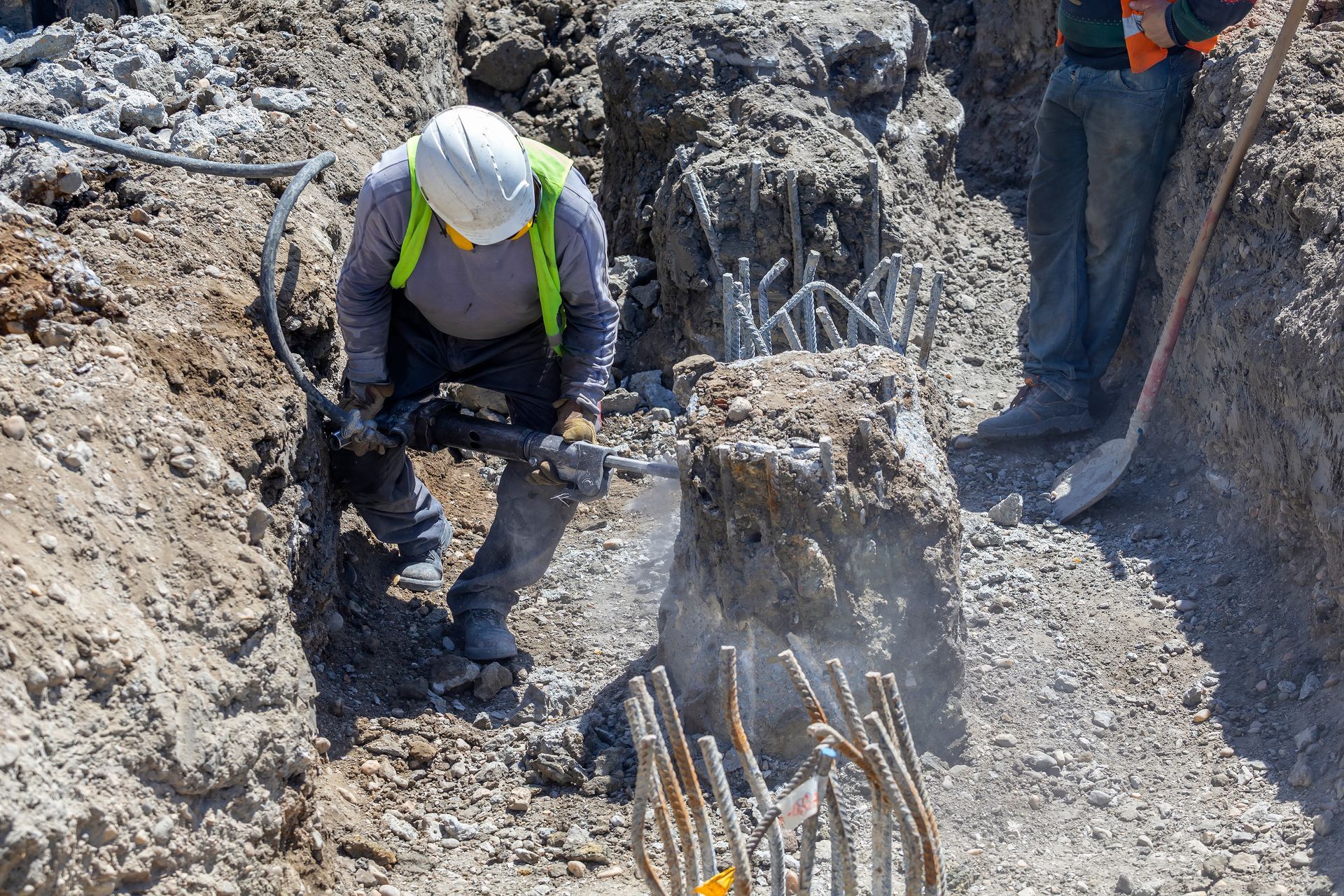
Contractor Insurance
Contractor insurance supports trades and service professionals across Southern California. It helps protect tools, equipment, and daily operations.

Cyber Liability Insurance
Cyber liability insurance helps protect business data and customer information. It supports recovery from digital incidents.

Commercial Property Insurance
Commercial property insurance helps protect offices, shops, and equipment. It supports recovery after covered damage.
Coverage Built for Specialized Work
Support for high-risk and service-driven industries.



Simple Steps Supported by Steady Guidance
A Clear Path to Coverage
Trusted by Clients Across Southern California
Clear service backed by real experiences.
Answers to Common Questions.
Clear explanations to guide your decisions.
How do I know which insurance policy is right for me?
We compare coverage options from multiple carriers to help you see differences in protection and price. You can review clear details and ask questions so you understand what each policy covers. Our team guides you step by step so you feel sure about your decision.
What factors affect my auto insurance premium?
Auto insurance premiums are influenced by your driving history, age, location, vehicle type, and coverage choices. A clean driving record and good safety features can help lower costs. We review these factors with you and help find coverage that fits your budget and needs.
Does homeowners insurance cover all types of damage?
Standard homeowners insurance protects your structure, personal belongings, liability, and additional living expenses in many cases. However, it usually does not include flood or earthquake damage without separate policies. We help you decide if extra coverage is right for your home and location.
Can I update my policy or get certificates online?
Yes. You can submit requests for policy changes and certificates through our online service form at any time. Our team processes those requests quickly and confirms updates once complete so you have the documents you need.
Do I need separate insurance for business risks like EPLI or E&O?
Yes. General liability and workers compensation cover many business risks but do not protect against all exposures. For example, Employment Practices Liability Insurance (EPLI) covers claims like wrongful termination or discrimination, and Errors & Omissions (E&O) covers claims based on mistakes in professional services. We help you identify which extra policies your business may need.
What happens if I need to file a claim?
If you need to file a claim, we guide you through the process and help you contact the insurance carrier. We explain what information you should provide, answer your questions, and stay available while the carrier reviews your claim. This support helps you move forward with confidence.
Contact Us