
Running a business in the Tustin Foothills area of Orange County means operating in a community where residential neighborhoods blend with commercial corridors, where foot traffic from nearby shopping centers mixes with construction crews working on hillside properties. It's a great place to build a company, but it also comes with real exposure to liability claims that can drain a bank account faster than most owners expect. A single slip-and-fall incident on your premises or a piece of damaged client property can generate legal costs that dwarf your monthly revenue. If you're a business owner in this unincorporated community and you haven't seriously evaluated your liability coverage, you're gambling with everything you've built. This guide breaks down what general liability insurance actually covers in the Tustin Foothills context, what drives your premiums, and how to make smart coverage decisions that protect your bottom line.
The Importance of General Liability Insurance for Tustin Foothills Businesses
General liability coverage is the foundation of any business insurance program. It protects you when a third party, whether a customer, vendor, or passerby, suffers harm connected to your operations. For businesses operating in the foothills area of Tustin, the mix of retail, service, and contractor-based work creates a wide range of scenarios where claims can arise. Without this coverage, you're personally responsible for legal defense costs and settlements, which in California routinely reach six figures.
Protecting Against Third-Party Bodily Injury Claims
Bodily injury claims are the most common reason small business owners file general liability claims. Picture this: a customer trips over a floor mat in your retail shop and breaks a wrist. The medical bills alone might run $15,000 to $25,000, but once an attorney gets involved, the demand could climb to $75,000 or more. Your general liability policy covers the medical expenses, legal defense, and any settlement or judgment up to your policy limits.
In California, personal injury attorneys work on contingency, which means there's essentially zero barrier for someone to file a lawsuit. That reality makes bodily injury coverage non-negotiable for any business that interacts with the public.
Safeguarding Assets from Property Damage Liability
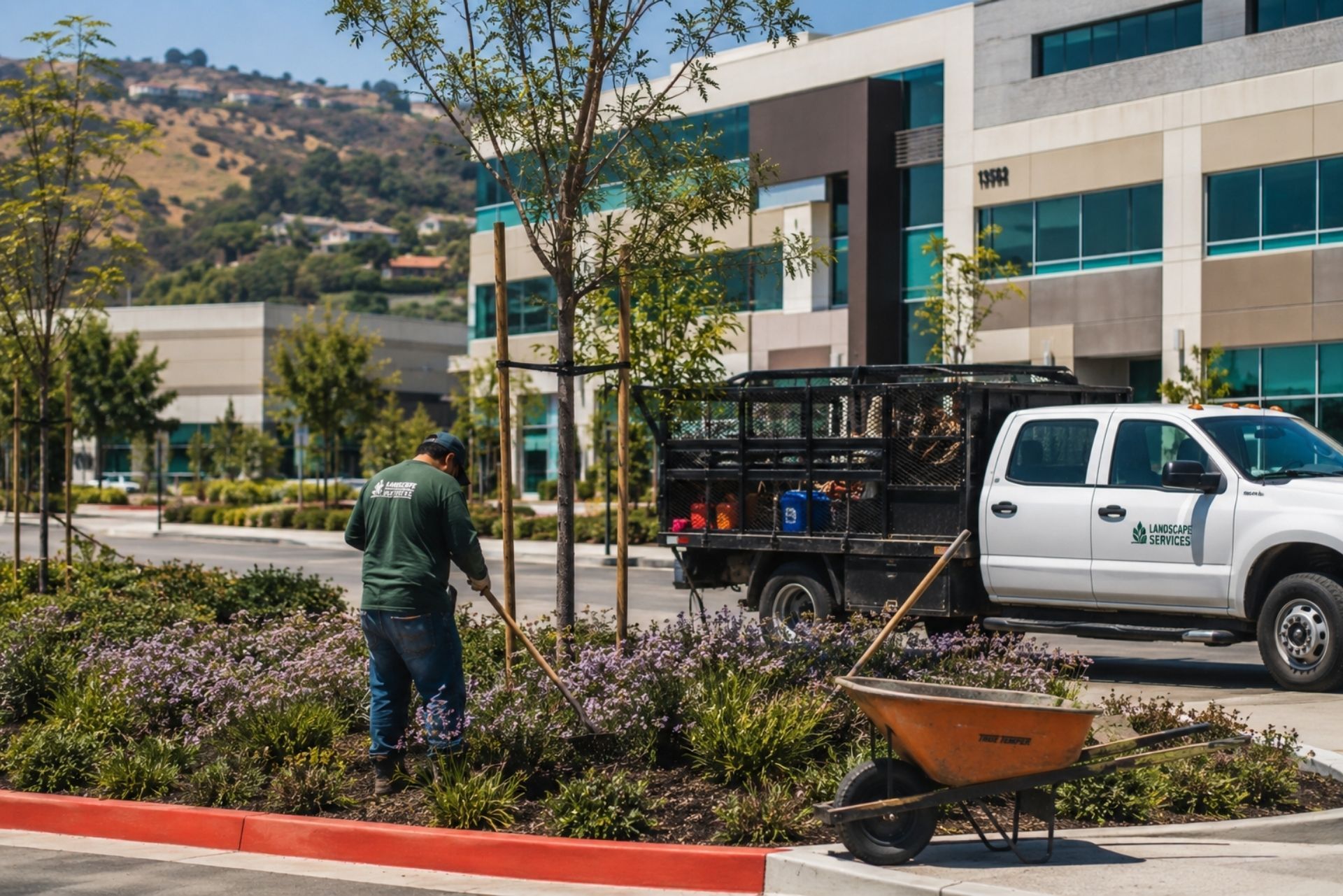
Property damage liability kicks in when your business operations cause damage to someone else's property. A landscaper accidentally backs a truck into a client's fence. A cleaning company employee knocks over an expensive piece of art. A plumber's repair fails and causes water damage to a customer's kitchen.
These scenarios play out constantly in the Tustin Foothills area, where many businesses provide services directly at client homes and properties. Without coverage, you're writing checks out of your operating account, and a single significant claim could force you to close. A standard general liability policy covers repair or replacement costs plus your legal defense if the property owner sues.
Mitigating Risks of Personal and Advertising Injury
This is the coverage category most business owners forget about. Personal and advertising injury covers claims like defamation, slander, libel, copyright infringement in your advertising, and wrongful eviction. If you run a marketing agency and a competitor claims you copied their ad campaign, this portion of your policy responds.
Even a small business with a social media presence can face these claims. A negative review response that crosses a line, a marketing image you didn't properly license, or a claim that your business name infringes on someone's trademark: these situations trigger real lawsuits with real costs. Your general liability policy handles the defense.
By: Patrick Caruso
President of Caruso Insurance Services
Common Industry Risks Specific to the Tustin Foothills Area
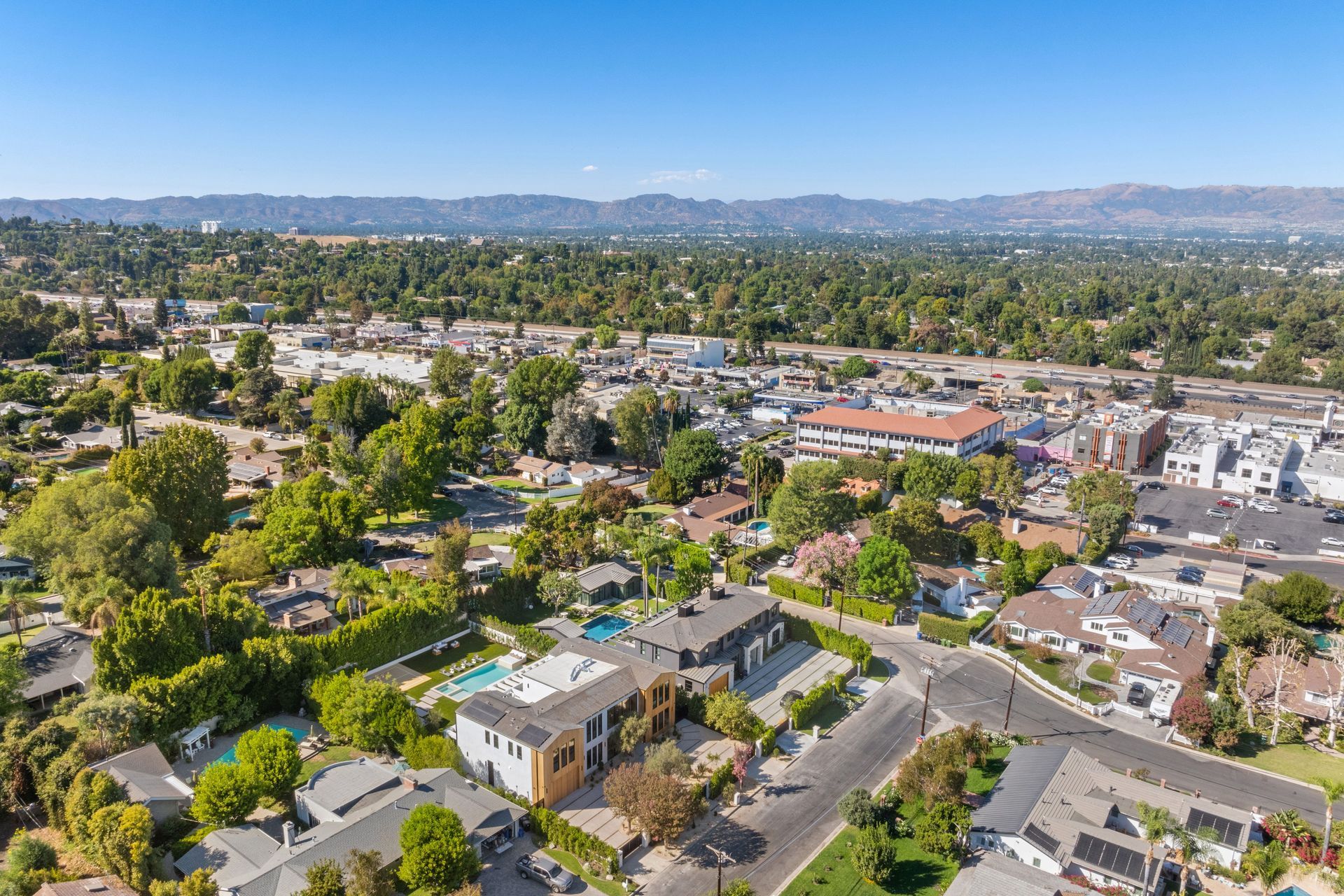
The Tustin Foothills community sits in an unincorporated part of Orange County with a distinct business mix. The area's proximity to The District at Tustin Legacy and Irvine's commercial hubs means service-based businesses thrive here, while the hillside terrain creates specific challenges for construction and maintenance companies.
Retail and Service Sector Vulnerabilities
Retail shops, salons, restaurants, and professional service firms face consistent premises liability exposure. Customer foot traffic means constant risk of slip-and-fall incidents, particularly during Southern California's brief but intense rainy season when wet floors become hazards. Service businesses that visit client locations carry their risk with them: a personal trainer working in a client's home, a mobile pet groomer operating from a van, or a tutoring service meeting families at their residences.
The average premises liability claim in Orange County settles between $30,000 and $100,000 depending on the severity of injury. For a small business generating $200,000 to $500,000 in annual revenue, even one uninsured claim can be catastrophic.
Construction and Artisan Contractor Exposure
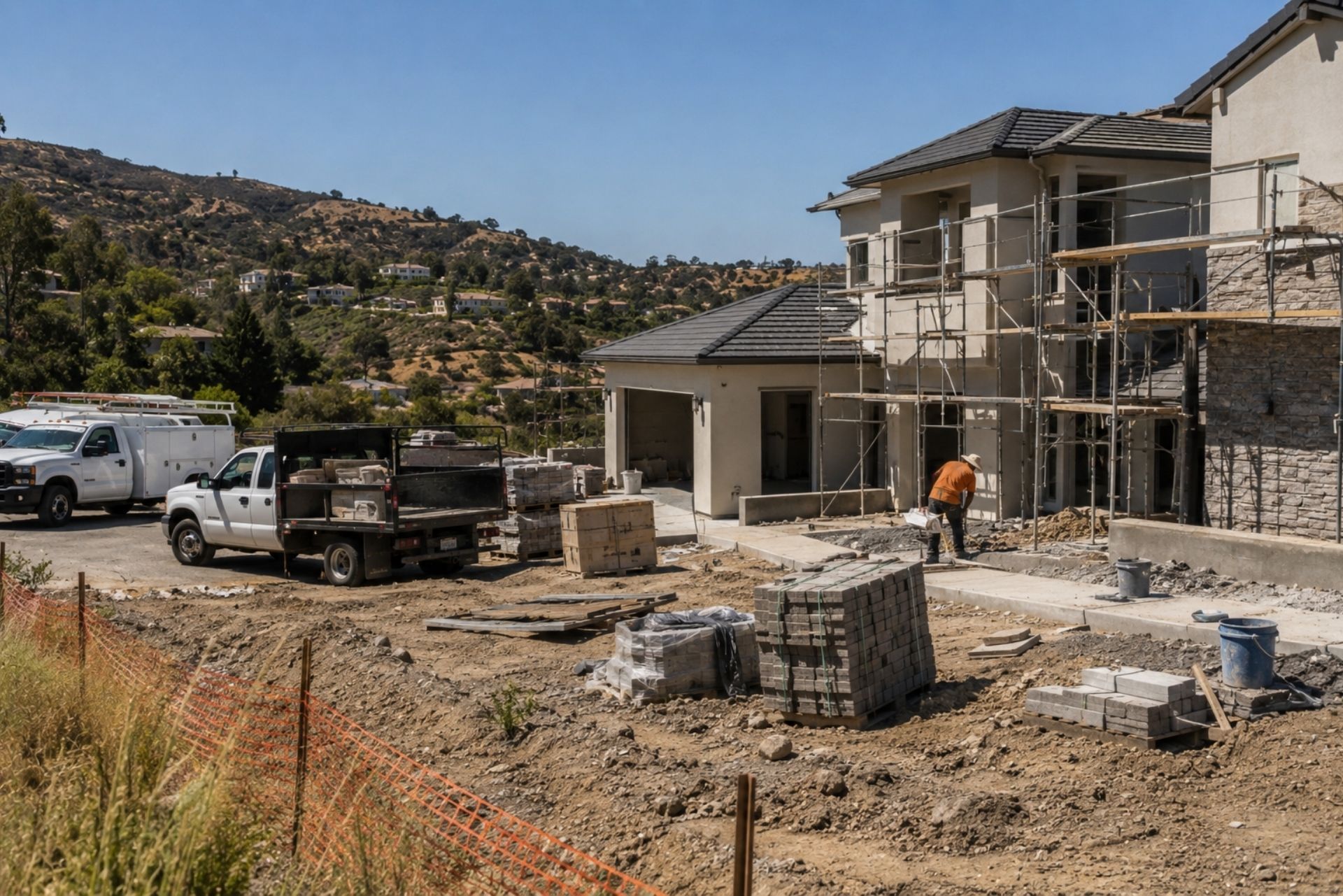
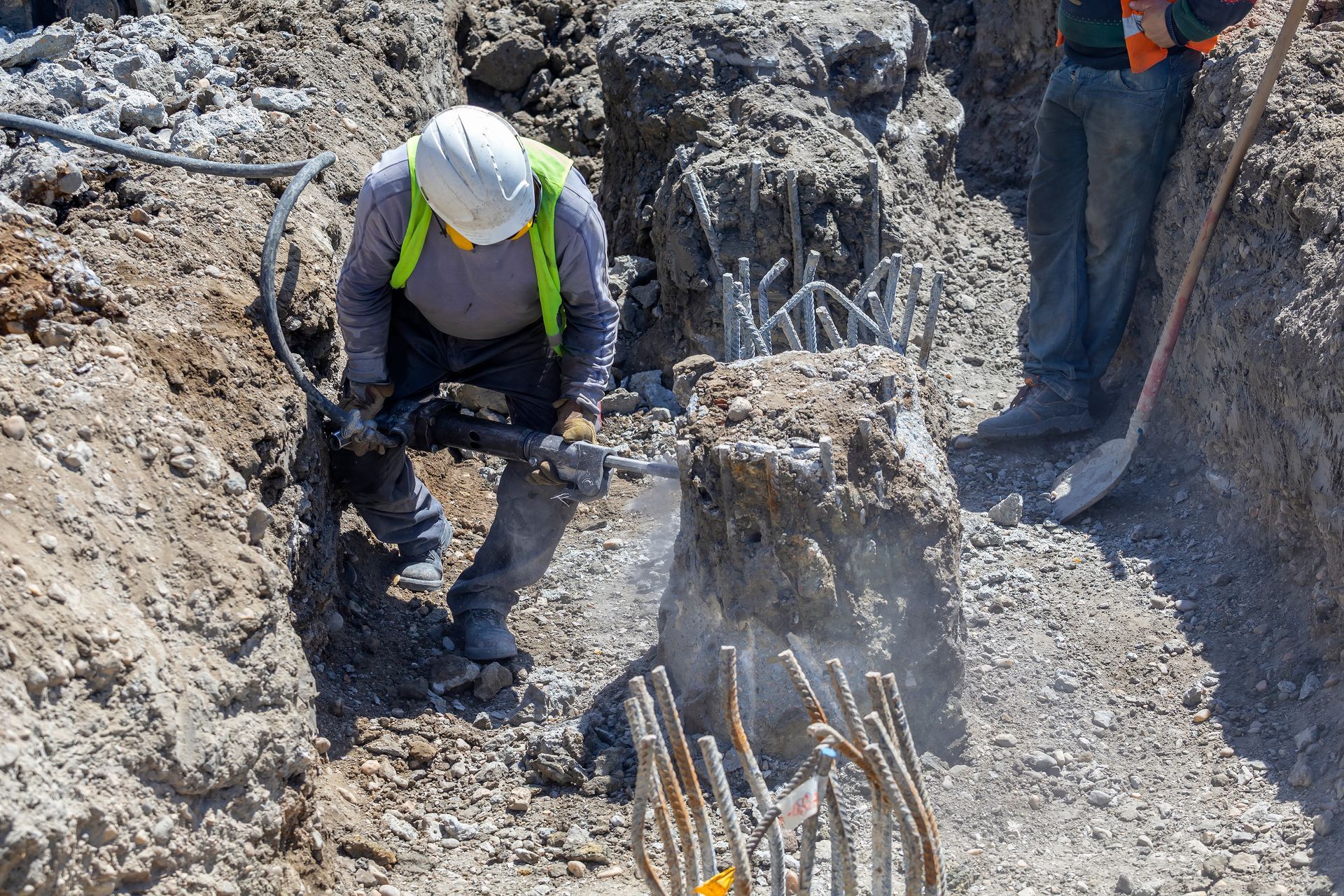
Contractors working in the foothills face elevated risk because of the terrain itself. Hillside grading, retaining wall construction, and drainage work all carry significant property damage potential. If a contractor's excavation work destabilizes a neighboring property's foundation, the resulting claim could easily exceed $200,000.
California requires contractors to carry general liability insurance as a practical matter, even though the CSLB licensing requirement technically focuses on bonds. Most general contractors won't hire subcontractors who lack proof of coverage, and homeowners increasingly demand certificates of insurance before allowing work to begin. For artisan contractors in the Tustin Foothills area, carrying at least $1 million per occurrence is the standard expectation.
Key Components of a Robust General Liability Policy
Understanding what's actually inside your policy matters more than just having one. Too many business owners buy coverage based on price alone without understanding how the policy responds to claims.
Understanding Occurrence vs. Claims-Made Coverage
Most general liability policies are written on an occurrence basis, meaning the policy that was in force when the incident happened responds to the claim, even if the claim is filed years later. This is the standard and preferred form for general liability.
Claims-made policies, by contrast, only respond if the policy is active both when the incident occurs and when the claim is filed. These are more common in professional liability and errors-and-omissions coverage. If you're shopping for general liability insurance in the Tustin Foothills area, confirm you're getting an occurrence form. If an agent offers a claims-made general liability policy, ask why and consider getting a second quote.
Policy Limits and Deductibles for Orange County Businesses
Standard general liability policies in Orange County typically start at $1 million per occurrence with a $2 million aggregate. The aggregate is your total coverage ceiling for the policy period, usually 12 months. For many small businesses, these limits are sufficient, but businesses with higher exposure, like contractors or event companies, often need $2 million per occurrence or carry an umbrella policy on top.
Deductibles on general liability policies are less common than on property insurance, but some policies include them, particularly for smaller or higher-risk operations. A typical deductible might range from $500 to $2,500 per claim. Choosing a higher deductible can reduce your annual premium by 10% to 15%, but make sure you can actually afford to pay it when a claim hits.
Your premium isn't pulled from thin air. Insurers calculate it based on several concrete factors:
- Your industry classification (NAICS or SIC code) determines your base rate. A restaurant pays more than an accounting firm because the risk profile is fundamentally different.
- Annual revenue and payroll size directly affect your premium. More revenue generally means more customer interactions and more exposure.
- Claims history matters enormously. Insurers check your loss history through databases like CLUE, and even one or two claims in the past five years can increase your premium by 20% to 40%.
- Your specific location within the foothills can influence rates. Businesses near high-traffic commercial areas typically face slightly higher premises liability exposure than those in quieter residential-adjacent zones.
- The type of work you perform and whether you go to client sites versus operating from a fixed location also shifts your risk profile.
One thing I've seen repeatedly: business owners who invest in documented safety protocols, regular property inspections, and maintenance records often qualify for lower premiums. Insurers reward businesses that actively reduce their risk. Keep photos and reports from annual property inspections, and share them with your agent during renewal.
How to Select the Right Coverage for Your Local Business
Choosing the right policy isn't just about finding the cheapest quote. It's about matching your coverage to your actual risk profile and making sure the carrier will actually pay when you need them to.
Assessing Specific Operational Risks
Start by mapping out every way your business interacts with the public and with client property. Do customers visit your location? Do you visit theirs? Do you handle or store client belongings? Do you serve food or beverages? Each of these touchpoints creates a distinct liability exposure.
Write these down and share them honestly with your insurance agent. Underreporting your operations to get a lower premium is a terrible strategy: if you file a claim and the insurer discovers your actual operations differ from what you described on the application, they can deny the claim entirely. Be thorough and accurate.
Evaluating Local Insurance Carriers and Underwriters
Not all insurance carriers are created equal, and this is especially true in California. Look for carriers with an A.M. Best rating of A- or better, which indicates strong financial stability. Check whether the carrier has experience writing policies in Orange County specifically, because local claims patterns and legal environments matter.
Work with an independent agent or broker who represents multiple carriers rather than a captive agent tied to one company. Independent agents can compare quotes across five to ten carriers and find coverage gaps you might miss on your own. Ask about the carrier's claims handling reputation: a company that fights every claim or delays payments is a liability in itself, even if their premium is attractive.
Legal Requirements and Compliance for California Business Owners
California doesn't mandate general liability insurance for most business types, but that doesn't mean you can skip it. Several practical and legal realities make coverage essential.
If you have employees, California requires workers' compensation insurance, which is separate from general liability. Many commercial landlords require tenants to carry general liability coverage with minimum limits of $1 million per occurrence, and they'll want to be listed as an additional insured on your policy. Government contracts and many private contracts in Orange County require proof of general liability coverage before you can bid on or begin work.
If you operate as a sole proprietor or single-member LLC without coverage, your personal assets, including your home, are potentially at risk in a lawsuit. California's legal environment is plaintiff-friendly, and jury awards in Orange County tend to run higher than national averages. A $1 million general liability policy for a low-risk business might cost $400 to $800 per year: a fraction of what even a minor claim would cost out of pocket.
Business owners should also be aware that their claims history follows them. The CLUE database tracks your insurance claims for up to seven years, and future carriers will review this record when deciding whether to offer coverage and at what price. Filing frequent small claims can make you harder to insure down the road, so consider handling minor incidents out of pocket and reserving your policy for significant losses.
Finding the Right Protection for Your Tustin Foothills Business
The bottom line is straightforward: general liability insurance isn't optional for any serious business operating near the Tustin Foothills. The cost of coverage is predictable and manageable. The cost of going without it is not. Whether you run a small service company, a retail shop, or a contracting operation, the right policy protects your revenue, your assets, and your ability to keep operating after a claim.
Get quotes from at least three carriers through an independent agent. Be honest about your operations. Choose adequate limits rather than minimum coverage. And review your policy annually, because your business changes, and your coverage should change with it. The few hundred dollars you spend on proper liability coverage could save you from a six-figure disaster that ends your business overnight.
ABOUT THE AUTHOR:
PATRICK CARUSO
I’m Patrick Caruso, founder of Caruso Insurance, and I have spent more than 25 years helping families, contractors, and small businesses across Southern California make confident insurance decisions. I focus on explaining coverage in clear terms, comparing multiple carriers, and supporting clients with steady communication so they feel secure with each step. My goal is to provide dependable guidance, simple answers, and a smooth process for anyone who needs personal or business insurance.
Contact Us

Service that stays with you.
Our team helps simplify insurance decisions for families and businesses. We focus on clear explanations, fast responses, and dependable service. You can count on us for help with coverage questions, updates, and long-term support.
Coverage that keeps you secure
Reliable Protection for Everyday Life
Home insurance helps protect your house, personal belongings, and liability risks. We explain coverage options clearly so you know what your policy includes.
Auto insurance provides protection for accidents, liability, and vehicle damage. We help you compare options so you can choose coverage that fits your driving needs.
Motorcycle insurance provides coverage for riders and their bikes. We help you select options that match how and where you ride.
RV insurance supports protection for motorhomes and recreational vehicles. Coverage applies during travel and while parked.
Coverage Built for Contractors and Trades
Support that keeps your work moving.

General Liability Insurance
General liability insurance helps protect contractors from injury and property damage claims. It supports jobsite requirements and contracts.

Workers Compensation
Workers compensation insurance helps protect employees injured while working. It also supports compliance with state requirements.

Commercial Auto Insurance
Commercial auto insurance provides coverage for work vehicles used on jobsites. It helps protect drivers and company vehicles.
Contractor Insurance
Contractor insurance supports trades and service professionals across Southern California. It helps protect tools, equipment, and daily operations.

Cyber Liability Insurance
Cyber liability insurance helps protect business data and customer information. It supports recovery from digital incidents.

Commercial Property Insurance
Commercial property insurance helps protect offices, shops, and equipment. It supports recovery after covered damage.
Coverage Built for Specialized Work
Support for high-risk and service-driven industries.



Simple Steps Supported by Steady Guidance
A Clear Path to Coverage
Trusted by Clients Across Southern California
Clear service backed by real experiences.
Answers to Common Questions.
Clear explanations to guide your decisions.
How do I know which insurance policy is right for me?
We compare coverage options from multiple carriers to help you see differences in protection and price. You can review clear details and ask questions so you understand what each policy covers. Our team guides you step by step so you feel sure about your decision.
What factors affect my auto insurance premium?
Auto insurance premiums are influenced by your driving history, age, location, vehicle type, and coverage choices. A clean driving record and good safety features can help lower costs. We review these factors with you and help find coverage that fits your budget and needs.
Does homeowners insurance cover all types of damage?
Standard homeowners insurance protects your structure, personal belongings, liability, and additional living expenses in many cases. However, it usually does not include flood or earthquake damage without separate policies. We help you decide if extra coverage is right for your home and location.
Can I update my policy or get certificates online?
Yes. You can submit requests for policy changes and certificates through our online service form at any time. Our team processes those requests quickly and confirms updates once complete so you have the documents you need.
Do I need separate insurance for business risks like EPLI or E&O?
Yes. General liability and workers compensation cover many business risks but do not protect against all exposures. For example, Employment Practices Liability Insurance (EPLI) covers claims like wrongful termination or discrimination, and Errors & Omissions (E&O) covers claims based on mistakes in professional services. We help you identify which extra policies your business may need.
What happens if I need to file a claim?
If you need to file a claim, we guide you through the process and help you contact the insurance carrier. We explain what information you should provide, answer your questions, and stay available while the carrier reviews your claim. This support helps you move forward with confidence.
Contact Us