A single slip-and-fall claim can cost a small business anywhere from $20,000 to $50,000 before legal fees even enter the picture. For business owners operating in Rancho Cucamonga, where the local economy blends retail, logistics, construction, and professional services, that kind of exposure isn't hypothetical. It's a Tuesday. The city sits at the crossroads of major Inland Empire commerce, and with that commercial activity comes real liability risk. Whether you're running a restaurant near Foothill Boulevard, managing a warehouse off of Fourth Street, or contracting on residential builds throughout the area, a
general liability insurance policy isn't optional: it's the financial guardrail between a manageable incident and a business-ending lawsuit. Understanding how this coverage works, what drives your premiums, and how to buy the right policy for your specific situation can save you tens of thousands of dollars and years of headaches.
Understanding General Liability Insurance for Inland Empire Businesses
General liability insurance is the foundational coverage that protects businesses against third-party claims. If someone who isn't your employee gets hurt on your premises, if your operations damage someone else's property, or if you're accused of certain advertising wrongs, this is the policy that responds. For Inland Empire businesses specifically, the volume of foot traffic, commercial activity, and contractor work makes this type of coverage essential rather than a luxury.
Most policies follow a standard structure: per-occurrence limits (typically $1 million) and aggregate limits (usually $2 million) that cap total payouts within a policy period. But the details matter more than the headline numbers, and those details break down into a few key coverage categories.
Core Coverage: Bodily Injury and Property Damage
This is what most people think of when they hear "liability insurance." If a customer trips over a display in your store and breaks a wrist, bodily injury coverage pays for their medical bills, lost wages, and any resulting lawsuit. Property damage works similarly: if your landscaping crew accidentally backs a truck into a client's fence, this coverage handles the repair costs and legal defense.
The critical thing to understand is that your insurer provides both indemnity (paying the claim) and defense (hiring attorneys, covering court costs). Even frivolous lawsuits cost $10,000 to $15,000 to defend, and your general liability policy absorbs that cost without eating into your coverage limits in most cases, since many policies treat defense costs as supplementary.
Personal and Advertising Injury Protection
This coverage component gets overlooked constantly, but it protects against claims of libel, slander, copyright infringement in advertising, wrongful eviction, and invasion of privacy. A competitor accuses you of stealing their ad copy? A former tenant claims you defamed them publicly? Personal and advertising injury coverage responds to these situations.
For businesses in Rancho Cucamonga that rely heavily on local marketing, social media advertising, or operate in competitive niches, this protection has become increasingly relevant. One poorly worded social media post comparing your services to a competitor's can trigger a claim, and without this coverage, you're paying out of pocket for legal defense.
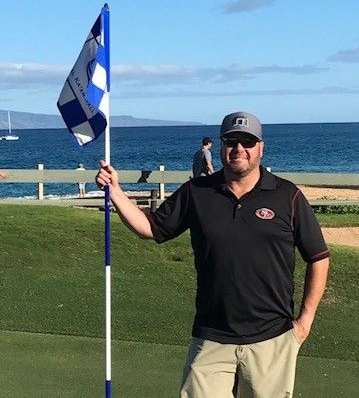
By: Patrick Caruso
President of Caruso Insurance Services
Why Rancho Cucamonga Businesses Need Specific Protection
Rancho Cucamonga isn't just any mid-sized California city. With a population exceeding 180,000 and a business environment shaped by its position along the I-10 and I-15 corridors, the city hosts a dense concentration of commercial activity. The local economy generates specific risks that make general liability coverage in this area particularly important.
California's litigation environment adds another layer. The state consistently ranks among the most plaintiff-friendly jurisdictions in the country, meaning claims that might get dismissed elsewhere can result in significant payouts here. Jury awards in San Bernardino County personal injury cases have trended upward over the past several years.
Compliance with California State Regulations
California doesn't technically require every business to carry general liability insurance by law, but several practical requirements make it effectively mandatory. State licensing boards for contractors (CSLB), for example, require proof of liability coverage to maintain an active license. Many professional certifications carry similar mandates.
The state also imposes strict premises liability standards. Under California Civil Code Section 1714, property owners and business operators owe a duty of care to anyone who enters their premises, including trespassers in some circumstances. This broad standard means California businesses face liability exposure that would be limited or nonexistent in other states. Operating without coverage here is genuinely reckless.
Meeting Local Commercial Lease Requirements
If you're leasing commercial space anywhere in Rancho Cucamonga, your landlord almost certainly requires proof of general liability insurance before you sign. Most commercial leases in the Inland Empire mandate minimum coverage of $1 million per occurrence and $2 million aggregate, with the landlord named as an additional insured on your policy.
This isn't negotiable. Landlords require it because their own insurance carriers and mortgage lenders demand it. If you let your policy lapse, you're typically in breach of your lease, which can trigger eviction proceedings. I've seen businesses lose their locations over a coverage gap they didn't even realize existed until the landlord's property manager flagged it during a routine audit.
Industries in Rancho Cucamonga Requiring Coverage
The diversity of Rancho Cucamonga's economy means liability risks vary dramatically by industry. A retail shop and a concrete contractor face completely different exposure profiles, and their policies should reflect that.
Retail and Hospitality at Victoria Gardens
Victoria Gardens and the surrounding retail corridors generate enormous foot traffic. Restaurants, boutiques, entertainment venues, and service businesses in these areas face constant slip-and-fall exposure, product liability risks, and food-related claims. A single foodborne illness incident at a restaurant can generate dozens of simultaneous claims.
Retailers also face product liability exposure if they sell goods that injure consumers, even if they didn't manufacture the product. California's strict liability doctrine means the retailer can be held responsible alongside the manufacturer. If you're selling consumer products, your general liability policy is your first line of defense against these claims.
Manufacturing and Logistics Sector Needs
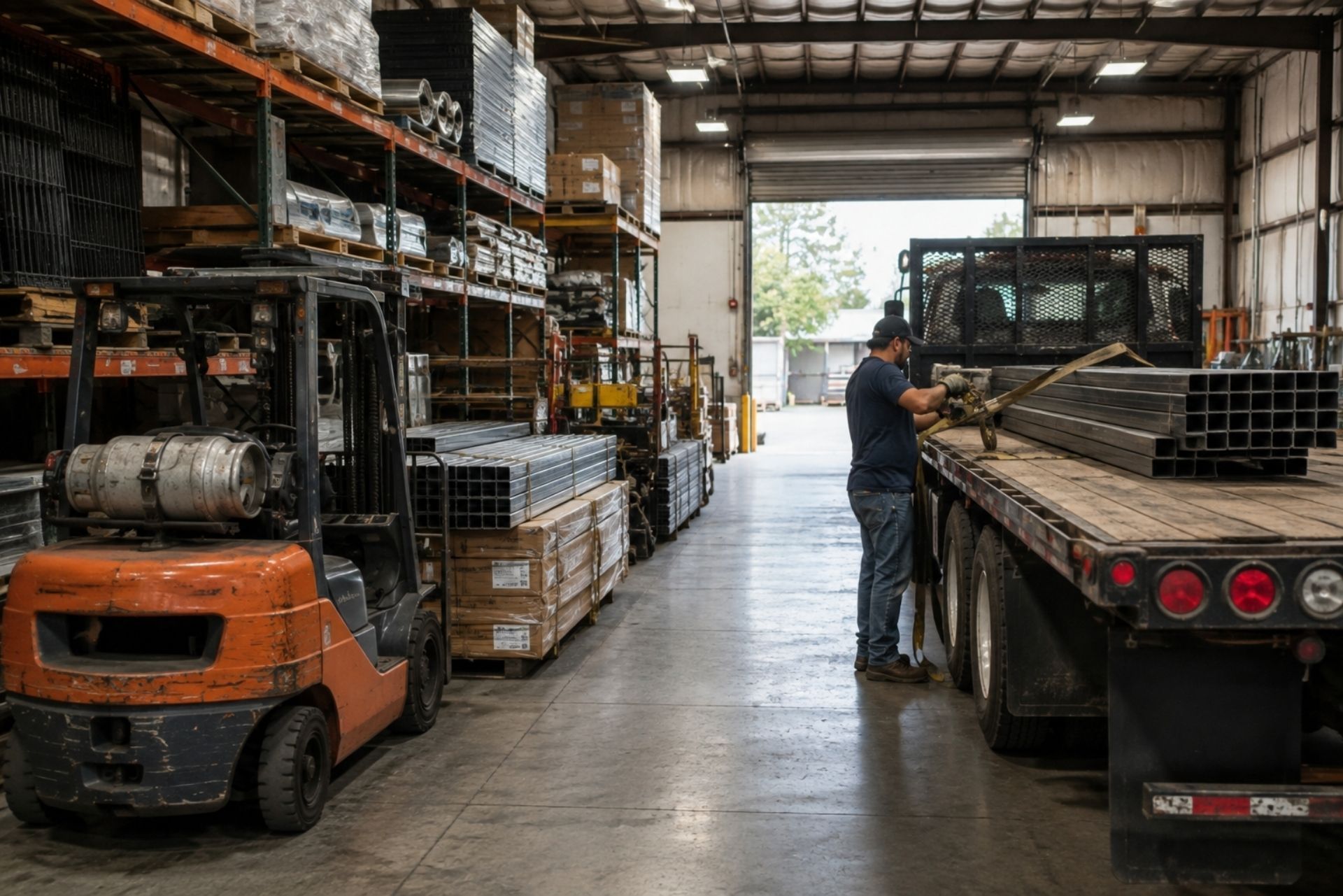
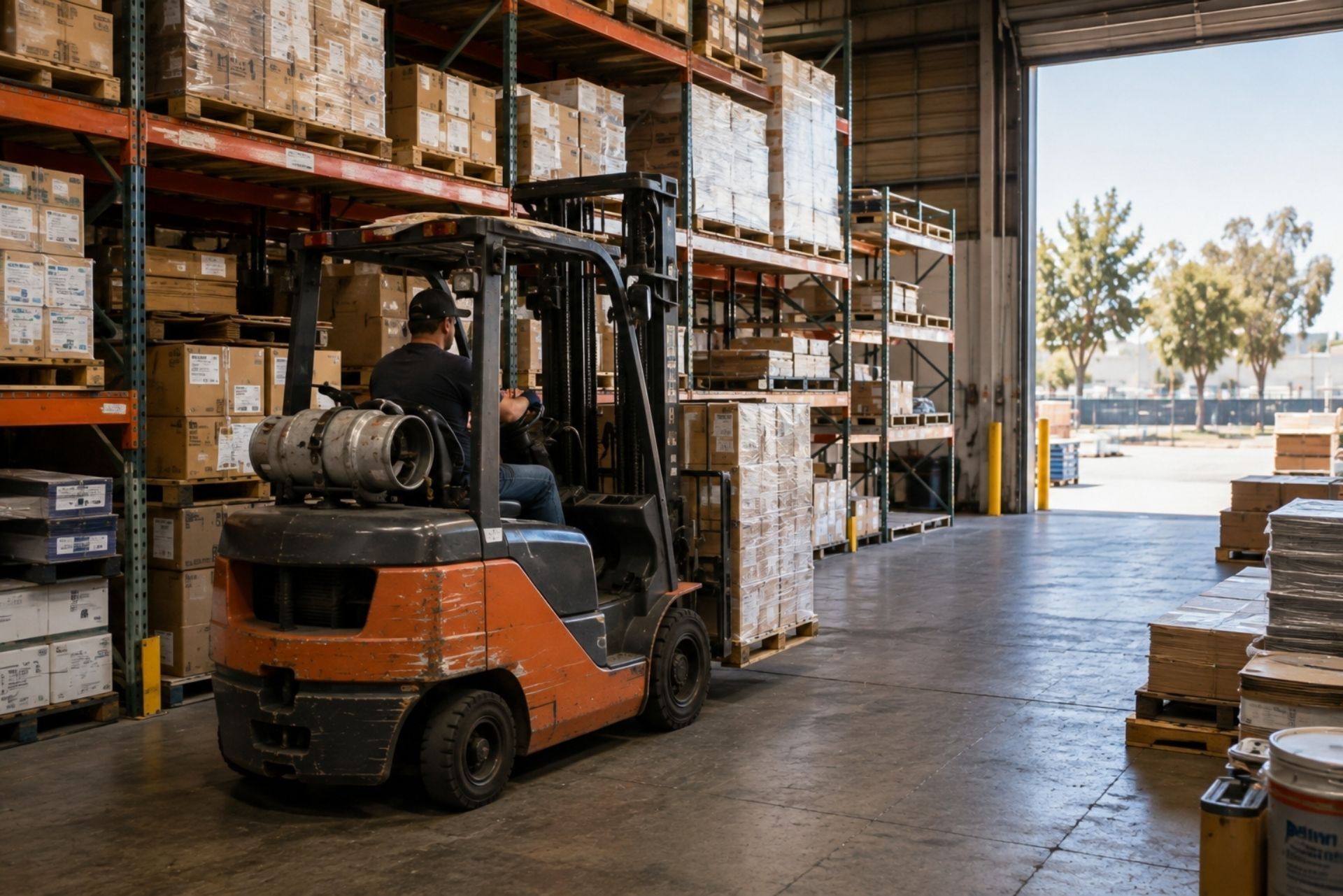
The Inland Empire is one of the largest logistics and warehousing hubs in the country, and Rancho Cucamonga sits right in the middle of it. Manufacturing facilities, distribution centers, and logistics operations face unique liability risks: delivery drivers causing accidents, warehouse visitors getting injured, products causing harm downstream in the supply chain.
These businesses often need higher coverage limits than the standard $1 million/$2 million. Many large retailers and supply chain partners require vendors and logistics providers to carry $5 million or more in liability coverage, often achieved through an umbrella or excess liability policy layered on top of the base general liability policy.
Contractors and Professional Service Providers
Construction and contracting remain major economic drivers in the region, with ongoing residential and commercial development throughout the Inland Empire. California's CSLB requires contractors to maintain liability coverage, and most general contractors won't hire subcontractors who can't provide a certificate of insurance.
Professional service providers like consultants, accountants, and IT firms face a different risk profile. While their bodily injury exposure is lower, they still need general liability coverage for premises liability and advertising injury. Many also need professional liability (errors and omissions) coverage, which is a separate policy from general liability and covers claims arising from professional mistakes or negligence.
Your premium isn't pulled from thin air. Insurers use specific rating factors to determine what you'll pay, and understanding these factors gives you some control over your costs.
- Industry classification (NAICS code) is the biggest driver: a roofing contractor pays dramatically more than an accounting firm
- Annual revenue and payroll determine your exposure base: higher revenue typically means higher premiums
- Claims history matters enormously: even one paid claim in the past five years can increase your premium by 15-30%, and claims stay on your CLUE (Comprehensive Loss Underwriting Exchange) report for up to seven years
- Location within San Bernardino County affects rates: areas with higher crime rates or more litigation activity carry higher premiums
- Square footage and public access to your premises influence slip-and-fall risk calculations
One factor many business owners overlook is the impact of risk mitigation. Documented safety protocols, regular property inspections with photos and reports, and safety retrofits like improved lighting and non-slip flooring can qualify you for premium discounts. Some insurers offer 5-10% reductions for businesses that maintain formal safety programs with annual documentation.
How to Choose the Right General Liability Policy
Not all policies are created equal, and the cheapest quote isn't always the best value. Choosing the right policy means matching your coverage to your actual risk profile while keeping costs reasonable.
Start by honestly assessing your exposure. How many customers visit your location daily? Do you perform work at client sites? What's your annual revenue? Do you sell products or only services? These questions determine not just how much coverage you need, but what endorsements or modifications your policy should include.
Evaluating Deductibles and Coverage Limits
Your deductible is the amount you pay out of pocket before insurance kicks in. Higher deductibles lower your premium but increase your financial exposure on each claim. For most small businesses in Cucamonga, a $1,000 to $2,500 deductible strikes the right balance.
Coverage limits require more thought. The standard $1 million per occurrence/$2 million aggregate works for many small businesses, but you should pressure-test those numbers against realistic scenarios. If a serious injury claim could easily exceed $1 million, given California jury award trends, you may need an umbrella policy to provide additional coverage. A $1 million umbrella policy typically costs $300 to $600 annually for low-risk businesses: cheap insurance for catastrophic protection.
Bundling with Business Owner's Policies (BOP)
A Business Owner's Policy bundles general liability with commercial property insurance, and often includes business interruption coverage. For small to mid-sized businesses, a BOP almost always costs less than buying these coverages separately: typically 10-15% less.
BOPs work well for businesses with physical locations, inventory, and equipment. If you're a home-based consultant with no physical inventory, a standalone general liability policy might be more cost-effective. But for a retail shop, restaurant, or office-based business in Rancho Cucamonga, the BOP structure makes financial sense and simplifies your insurance management by putting key coverages under one policy with one renewal date.
Securing a Quote and Protecting Your Business Future
Getting the right liability coverage in Rancho Cucamonga doesn't have to be complicated, but it does require some intentionality. Start by gathering your basic business information: revenue figures, employee count, square footage, and a description of your operations. Having this ready speeds up the quoting process significantly.
Work with an independent insurance agent who represents multiple carriers rather than a single company. Independent agents can compare quotes across insurers and often find coverage options that direct writers miss. Ask specifically about carriers with strong financial ratings (A.M. Best rating of A- or better) because an insurer's ability to pay claims matters more than saving $50 on your annual premium.
Don't wait for a lease requirement or a contract deadline to force your hand. Businesses that shop for coverage under pressure make worse decisions and pay more. Get your policy in place proactively, review it annually, and update it whenever your operations change: new locations, new services, higher revenue, or additional employees all affect your coverage needs.
The businesses that survive liability claims aren't necessarily the ones that avoid them. They're the ones that had the right coverage in place before the claim happened. That's the entire point of carrying general liability insurance: turning a potential catastrophe into a manageable business expense.
ABOUT THE AUTHOR:
PATRICK CARUSO
I’m Patrick Caruso, founder of Caruso Insurance, and I have spent more than 25 years helping families, contractors, and small businesses across Southern California make confident insurance decisions. I focus on explaining coverage in clear terms, comparing multiple carriers, and supporting clients with steady communication so they feel secure with each step. My goal is to provide dependable guidance, simple answers, and a smooth process for anyone who needs personal or business insurance.
Contact Us

Service that stays with you.
Our team helps simplify insurance decisions for families and businesses. We focus on clear explanations, fast responses, and dependable service. You can count on us for help with coverage questions, updates, and long-term support.
Coverage that keeps you secure
Reliable Protection for Everyday Life
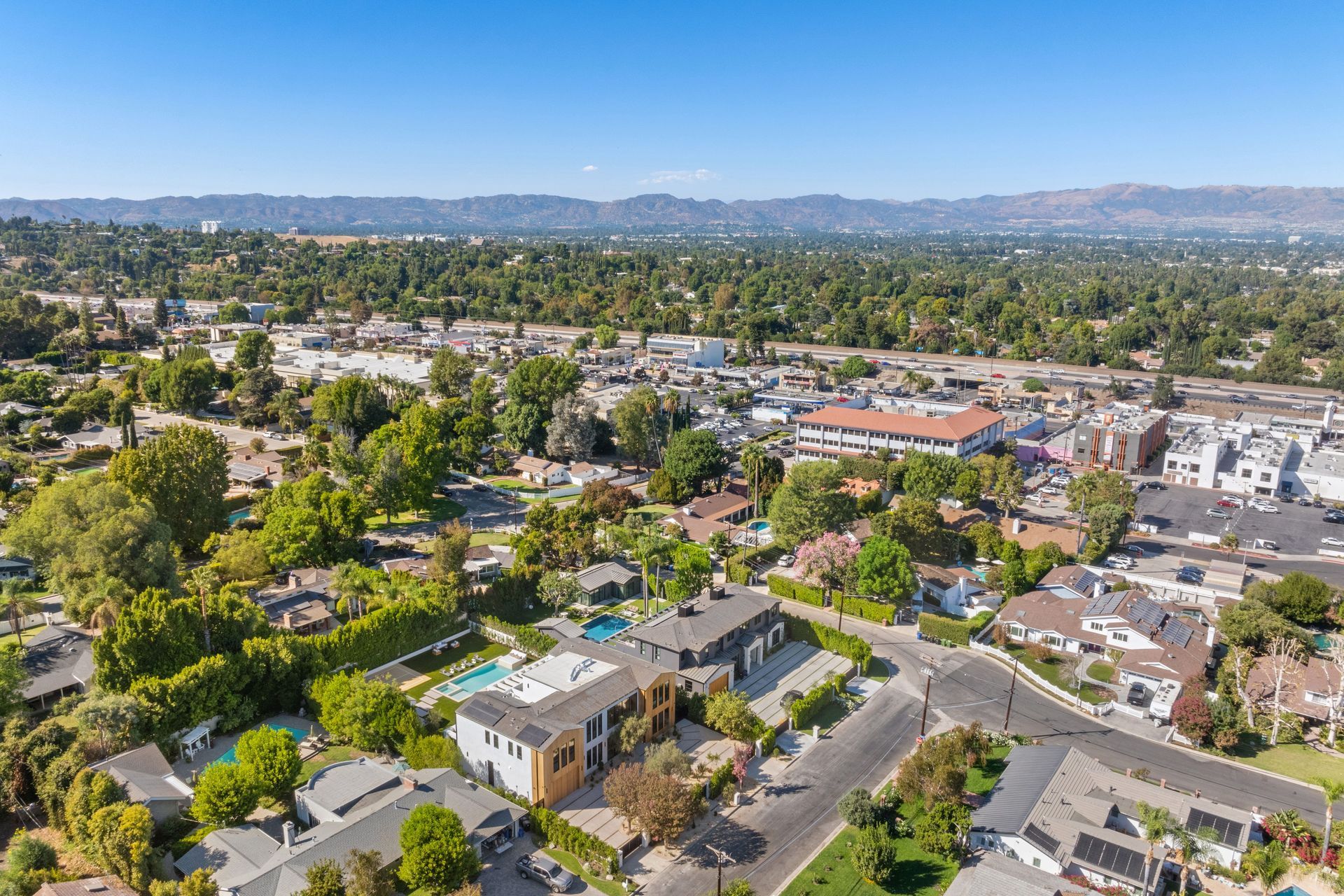
Home insurance helps protect your house, personal belongings, and liability risks. We explain coverage options clearly so you know what your policy includes.
Auto insurance provides protection for accidents, liability, and vehicle damage. We help you compare options so you can choose coverage that fits your driving needs.
Motorcycle insurance provides coverage for riders and their bikes. We help you select options that match how and where you ride.
RV insurance supports protection for motorhomes and recreational vehicles. Coverage applies during travel and while parked.
Coverage Built for Contractors and Trades
Support that keeps your work moving.

General Liability Insurance
General liability insurance helps protect contractors from injury and property damage claims. It supports jobsite requirements and contracts.

Workers Compensation
Workers compensation insurance helps protect employees injured while working. It also supports compliance with state requirements.

Commercial Auto Insurance
Commercial auto insurance provides coverage for work vehicles used on jobsites. It helps protect drivers and company vehicles.
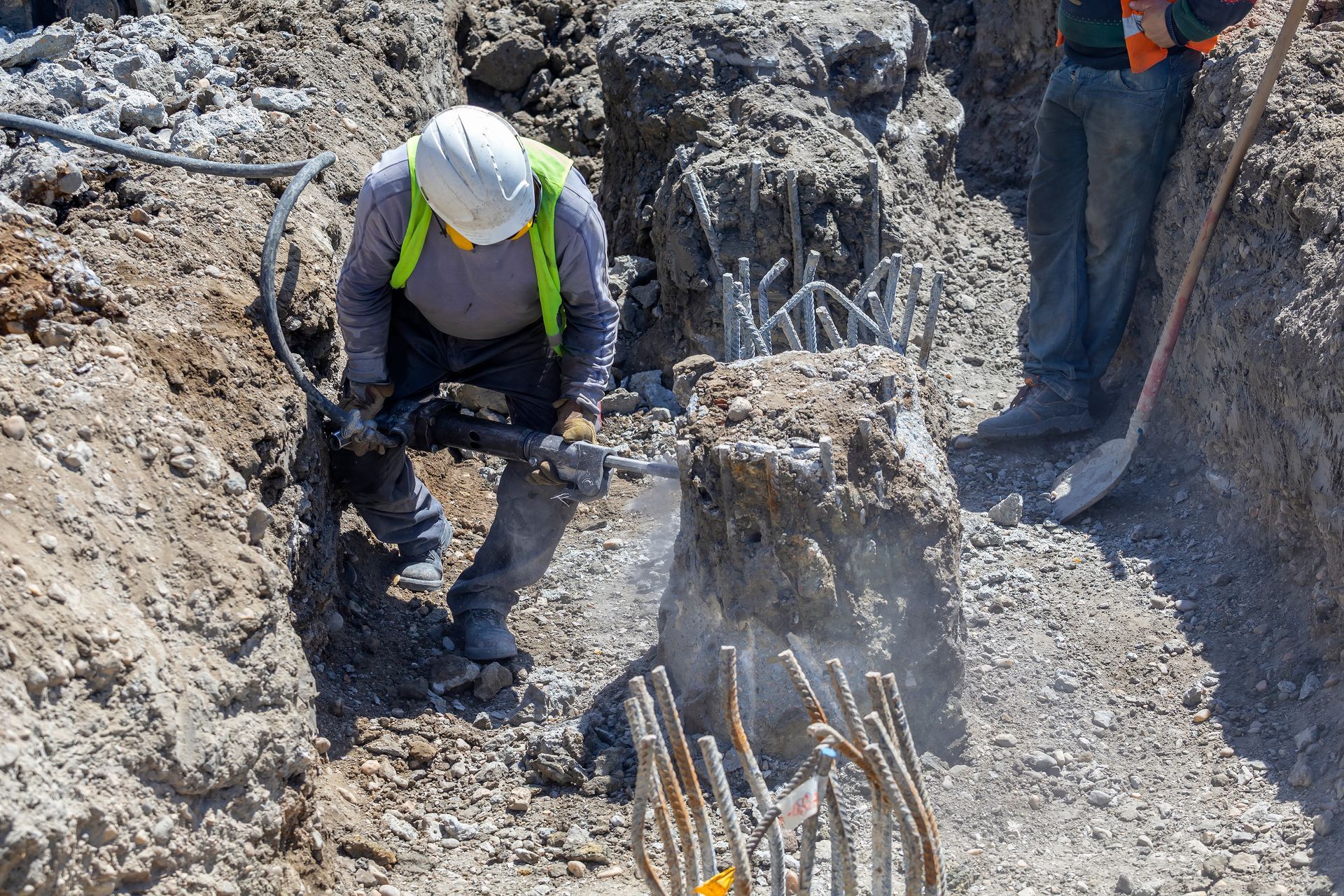
Contractor Insurance
Contractor insurance supports trades and service professionals across Southern California. It helps protect tools, equipment, and daily operations.

Cyber Liability Insurance
Cyber liability insurance helps protect business data and customer information. It supports recovery from digital incidents.

Commercial Property Insurance
Commercial property insurance helps protect offices, shops, and equipment. It supports recovery after covered damage.
Coverage Built for Specialized Work
Support for high-risk and service-driven industries.

Simple Steps Supported by Steady Guidance
A Clear Path to Coverage
Trusted by Clients Across Southern California
Clear service backed by real experiences.
Answers to Common Questions.
Clear explanations to guide your decisions.
How do I know which insurance policy is right for me?
We compare coverage options from multiple carriers to help you see differences in protection and price. You can review clear details and ask questions so you understand what each policy covers. Our team guides you step by step so you feel sure about your decision.
What factors affect my auto insurance premium?
Auto insurance premiums are influenced by your driving history, age, location, vehicle type, and coverage choices. A clean driving record and good safety features can help lower costs. We review these factors with you and help find coverage that fits your budget and needs.
Does homeowners insurance cover all types of damage?
Standard homeowners insurance protects your structure, personal belongings, liability, and additional living expenses in many cases. However, it usually does not include flood or earthquake damage without separate policies. We help you decide if extra coverage is right for your home and location.
Can I update my policy or get certificates online?
Yes. You can submit requests for policy changes and certificates through our online service form at any time. Our team processes those requests quickly and confirms updates once complete so you have the documents you need.
Do I need separate insurance for business risks like EPLI or E&O?
Yes. General liability and workers compensation cover many business risks but do not protect against all exposures. For example, Employment Practices Liability Insurance (EPLI) covers claims like wrongful termination or discrimination, and Errors & Omissions (E&O) covers claims based on mistakes in professional services. We help you identify which extra policies your business may need.
What happens if I need to file a claim?
If you need to file a claim, we guide you through the process and help you contact the insurance carrier. We explain what information you should provide, answer your questions, and stay available while the carrier reviews your claim. This support helps you move forward with confidence.
Contact Us