Running a small business in Upland, California, means dealing with foot traffic on Euclid Avenue, construction projects creeping closer to the San Gabriel foothills, and the steady growth that's been reshaping the Inland Empire for years. One lawsuit from a slip-and-fall incident or a damaged client property can wipe out years of hard work in a matter of weeks. That's why general liability insurance isn't just a box to check for Upland businesses: it's the financial backstop that keeps you operating when things go sideways. Whether you're running a restaurant near downtown, managing a contracting crew, or operating a retail shop, the right policy can mean the difference between absorbing a $50,000 legal bill and closing your doors. This guide breaks down what coverage looks like for businesses in the Upland area, what drives your premiums, and how to make smart decisions when choosing a policy.
Understanding General Liability Insurance for Upland Businesses
General liability insurance is the foundational coverage that protects businesses against third-party claims of bodily injury, property damage, and certain types of advertising or reputational harm. For Upland business owners specifically, this coverage addresses the risks that come with operating in a mid-sized city where commercial activity ranges from boutique retail to heavy construction. A single claim from a customer who trips on your premises or a vendor whose equipment your employee accidentally damages can generate legal costs that dwarf your annual revenue.
What General Liability Covers in the Inland Empire
A standard general liability policy in the Inland Empire typically covers three broad categories: bodily injury to third parties, damage to someone else's property caused by your business operations, and personal or advertising injury like defamation or copyright infringement in your marketing. Most policies carry a per-occurrence limit (commonly $1 million) and a general aggregate limit ($2 million is standard). These limits apply across the Inland Empire, but local factors like Upland's mix of older commercial buildings and newer developments can influence how claims play out. If a customer is injured in a building with deferred maintenance, for instance, the claims process may scrutinize whether you took reasonable steps to keep the premises safe.
Why Upland Business Owners Need Local Coverage
Upland sits in San Bernardino County, where court costs and
settlement amounts reflect Southern California's higher-than-average legal expenses. A bodily injury claim that might settle for $15,000 in a rural market can easily run $40,000 or more in the Inland Empire. Working with agents who understand Upland's specific risk profile matters because they know which carriers price competitively for this area and which ones have a reputation for slow claims handling. Local agents also understand municipal requirements: Upland's business license process, for example, may require proof of liability coverage before you can operate in certain zones or bid on city contracts.
By: Patrick Caruso
President of Caruso Insurance Services
Core Protections Included in a Standard Policy
Understanding exactly what your policy covers prevents nasty surprises when you file a claim. Too many business owners assume their general liability policy is a catch-all, then discover gaps after an incident has already occurred.
Bodily Injury and Property Damage Liability
This is the core of any general liability policy. If a delivery driver slips on a wet floor in your Upland storefront and breaks a wrist, bodily injury coverage pays for their medical bills, lost wages, and any legal costs if they decide to sue. Property damage liability works similarly: if your landscaping crew accidentally backs a truck into a client's fence, the policy covers repair or replacement costs. In 2026, average bodily injury settlements in San Bernardino County range from $20,000 to $75,000 depending on severity, so carrying the minimum $1 million per-occurrence limit is a practical baseline rather than overkill.
Personal and Advertising Injury Coverage
This is the part of the policy most business owners forget about until they need it. Personal and advertising injury coverage protects against claims of libel, slander, wrongful eviction (relevant for Upland property managers), and copyright infringement in your advertising. Say you run a social media ad for your Upland business that accidentally uses a competitor's copyrighted image: this coverage handles the legal defense and any resulting settlement. With digital marketing becoming more aggressive across the Inland Empire, these claims have been ticking upward over the past few years.
Medical Payments and Legal Defense Costs
Medical payments coverage (often called "med pay") is a smaller, no-fault provision that pays for minor injuries on your premises regardless of who's at fault. Limits are typically $5,000 to $10,000 per person. The real value here is that it can resolve small incidents before they escalate into lawsuits. A customer who gets a $3,000 medical bill covered quickly is far less likely to hire a personal injury attorney. Legal defense costs are covered separately from your policy limits in most standard forms, meaning your insurer pays attorney fees on top of your $1 million limit rather than subtracting from it. This distinction alone can save you tens of thousands of dollars in a contested claim.
Industry-Specific Risks in the Upland Area
Upland's economy isn't monolithic, and the risks your business faces depend heavily on your industry. A coffee shop on Second Avenue has a very different exposure profile than a general contractor working residential projects in the foothills.
Liability for Retailers and Restaurants in Historic Downtown
Upland's historic downtown district attracts steady foot traffic, which is great for revenue but increases slip-and-fall exposure. Older buildings may have uneven sidewalks, narrow entryways, or aging infrastructure that creates liability concerns. Restaurants face additional risks from foodborne illness claims and alcohol-related incidents if they hold a liquor license. A single food poisoning claim can generate $25,000 or more in medical costs and legal fees, and a pattern of claims can make your business nearly uninsurable through standard carriers.
Practical steps to reduce your exposure include:
- Documenting daily floor inspections with timestamped photos
- Installing adequate lighting in entryways and parking areas
- Keeping incident reports for every customer complaint, no matter how minor
- Scheduling annual property inspections and retaining written maintenance reports
These records become critical evidence if a claim goes to litigation, and they can also help you negotiate lower premiums at renewal.
Protection for Construction and Contracting Services
Construction is one of Upland's most active sectors, with residential and commercial projects spreading across the city. Contractors face elevated liability risks: a subcontractor's mistake on a job site, damage to adjacent properties during excavation, or injuries to passersby near a work zone. General liability premiums for contractors in San Bernardino County are typically 2 to 4 times higher than for retail or office-based businesses, reflecting the elevated risk. Many general contractors in Upland carry $2 million per-occurrence limits because project owners and developers require it before they'll award contracts. If you're bidding on municipal work, the city of Upland often requires certificates of insurance with specific endorsements, so confirm those requirements before you bind a policy.

Your premium isn't arbitrary. Insurers use specific data points to calculate what you'll pay, and understanding these factors gives you real negotiating power.
Business Size, Revenue, and Risk Classification
Insurers assign every business a classification code based on its industry, and that code is the starting point for your premium calculation. A consulting firm with $200,000 in annual revenue might pay $400 to $800 per year for general liability coverage in Upland, while a restaurant doing $500,000 in revenue could pay $2,500 to $5,000. Construction contractors often see premiums ranging from $3,000 to $10,000 or more depending on the type of work. Revenue matters because insurers view it as a proxy for exposure: more revenue generally means more customer interactions, more job sites, and more opportunities for something to go wrong.
Claims History and Policy Deductibles
Your claims history is tracked through the CLUE (Comprehensive Loss Underwriting Exchange) database, and it follows your business for up to seven years. Even a single paid claim can increase your premium by 10 to 25 percent at renewal. Two or more claims within a three-year window may push you into a higher-risk category where fewer carriers will quote you, and those that do will charge significantly more. Choosing a higher deductible ($1,000 or $2,500 instead of $500) can lower your annual premium by 5 to 15 percent, but make sure you can actually afford to pay that deductible out of pocket when a claim hits. The break-even math is straightforward: if a $2,500 deductible saves you $600 per year over a $500 deductible, you'll recoup the extra $2,000 in out-of-pocket risk in about 3.3 years of claim-free operation.
How to Secure the Right General Liability Policy
Shopping for liability insurance in Upland isn't complicated, but doing it carelessly can cost you thousands in unnecessary premiums or leave you with coverage gaps that only surface during a claim.
Comparing Quotes from Local Upland Agencies
Get at least three quotes, and make sure at least one comes from an independent agent who represents multiple carriers. Independent agents in the Upland area can compare pricing from 10 or more insurers simultaneously, while a captive agent (one who works for a single company like State Farm or Allstate) can only offer their employer's rates. When comparing quotes, don't just look at the premium: check the per-occurrence limit, the aggregate limit, whether defense costs are inside or outside the limit, and what exclusions apply. A policy that's $300 cheaper but excludes contractor operations or has a $5,000 deductible instead of $1,000 isn't actually saving you money.
Bundling with Business Owner's Policies (BOP)
A Business Owner's Policy bundles general liability with commercial property insurance and sometimes business interruption coverage into a single package at a discounted rate. For Upland businesses with a physical location, a BOP often costs 10 to 20 percent less than purchasing each coverage separately. A typical BOP for a small retail shop in Upland might run $1,200 to $2,500 per year and include $1 million in general liability, $500,000 in property coverage, and 12 months of business interruption protection. The main limitation is that BOPs aren't available for every business type: contractors, manufacturers, and businesses with more than 100 employees usually need standalone policies.
Maintaining Compliance and Protecting Your Upland Enterprise
Buying a policy isn't the finish line. Keeping your coverage current and your risk profile clean requires ongoing attention. Review your policy annually, especially if your revenue has changed, you've added employees, or you've expanded into new services. Upland businesses that outgrow their policy limits without updating their coverage are essentially self-insuring for the gap, which defeats the purpose of carrying insurance in the first place.
Make sure your certificates of insurance are always accessible. Landlords, project owners, and the city of Upland may request proof of coverage with little notice, and a lapsed policy can cost you a lease or a contract. If you're a landlord yourself, require your tenants to carry renter's insurance with at least $100,000 in liability coverage and $30,000 in personal property protection: this reduces your own exposure significantly.
The smartest Upland business owners treat general liability insurance as one piece of a broader risk management strategy. Combine proper coverage with documented safety protocols, annual property inspections, and prompt incident reporting, and you'll not only reduce your premiums over time but also build a business that can absorb the unexpected without missing a beat. If you haven't reviewed your policy in the past 12 months, pick up the phone and call your agent this week. The cost of a coverage gap is always higher than the cost of a conversation.
ABOUT THE AUTHOR:
PATRICK CARUSO
I’m Patrick Caruso, founder of Caruso Insurance, and I have spent more than 25 years helping families, contractors, and small businesses across Southern California make confident insurance decisions. I focus on explaining coverage in clear terms, comparing multiple carriers, and supporting clients with steady communication so they feel secure with each step. My goal is to provide dependable guidance, simple answers, and a smooth process for anyone who needs personal or business insurance.
Contact Us

Service that stays with you.
Our team helps simplify insurance decisions for families and businesses. We focus on clear explanations, fast responses, and dependable service. You can count on us for help with coverage questions, updates, and long-term support.
Coverage that keeps you secure
Reliable Protection for Everyday Life
Home insurance helps protect your house, personal belongings, and liability risks. We explain coverage options clearly so you know what your policy includes.
Auto insurance provides protection for accidents, liability, and vehicle damage. We help you compare options so you can choose coverage that fits your driving needs.
Motorcycle insurance provides coverage for riders and their bikes. We help you select options that match how and where you ride.
RV insurance supports protection for motorhomes and recreational vehicles. Coverage applies during travel and while parked.
Coverage Built for Contractors and Trades
Support that keeps your work moving.

General Liability Insurance
General liability insurance helps protect contractors from injury and property damage claims. It supports jobsite requirements and contracts.

Workers Compensation
Workers compensation insurance helps protect employees injured while working. It also supports compliance with state requirements.

Commercial Auto Insurance
Commercial auto insurance provides coverage for work vehicles used on jobsites. It helps protect drivers and company vehicles.
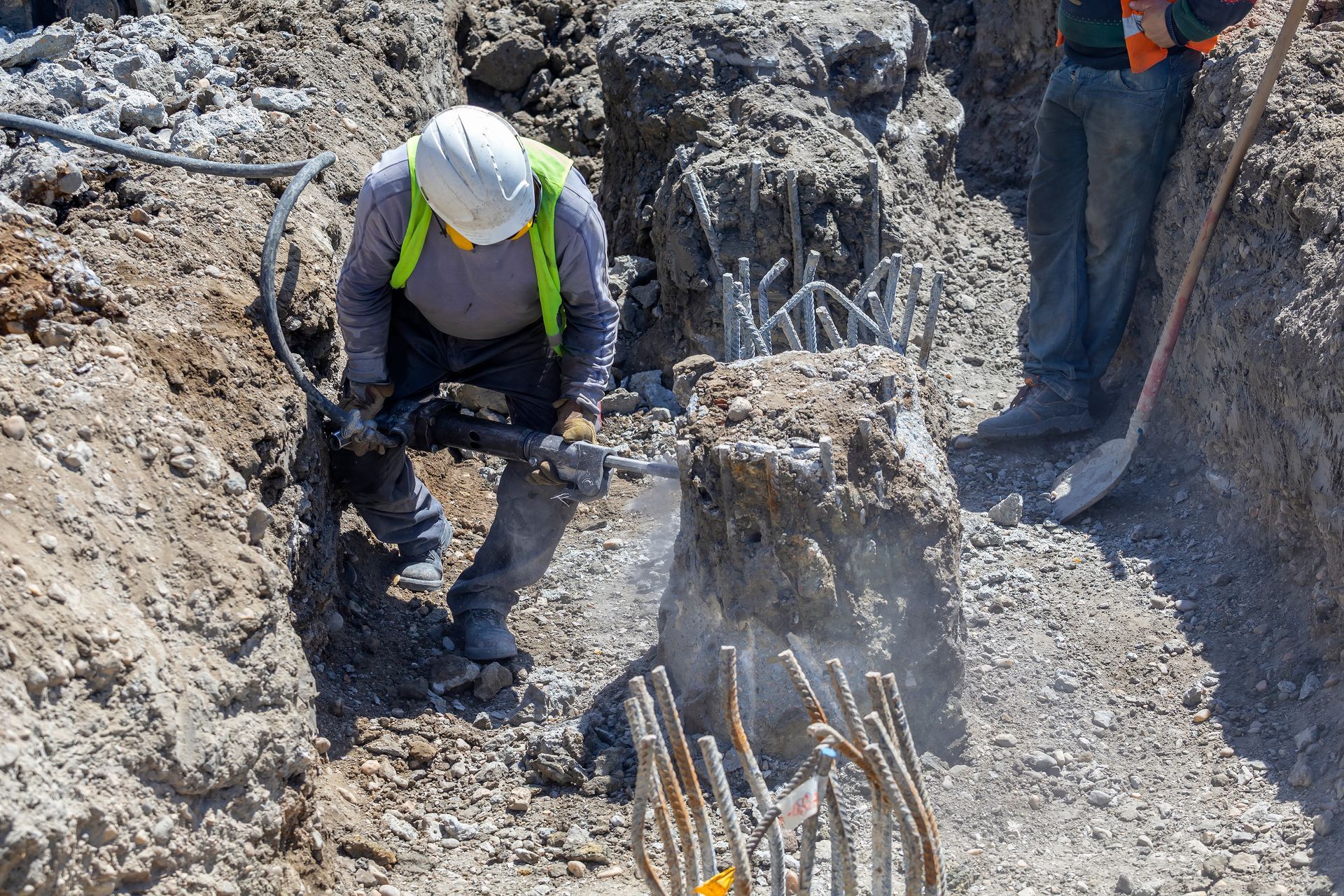
Contractor Insurance
Contractor insurance supports trades and service professionals across Southern California. It helps protect tools, equipment, and daily operations.

Cyber Liability Insurance
Cyber liability insurance helps protect business data and customer information. It supports recovery from digital incidents.

Commercial Property Insurance
Commercial property insurance helps protect offices, shops, and equipment. It supports recovery after covered damage.
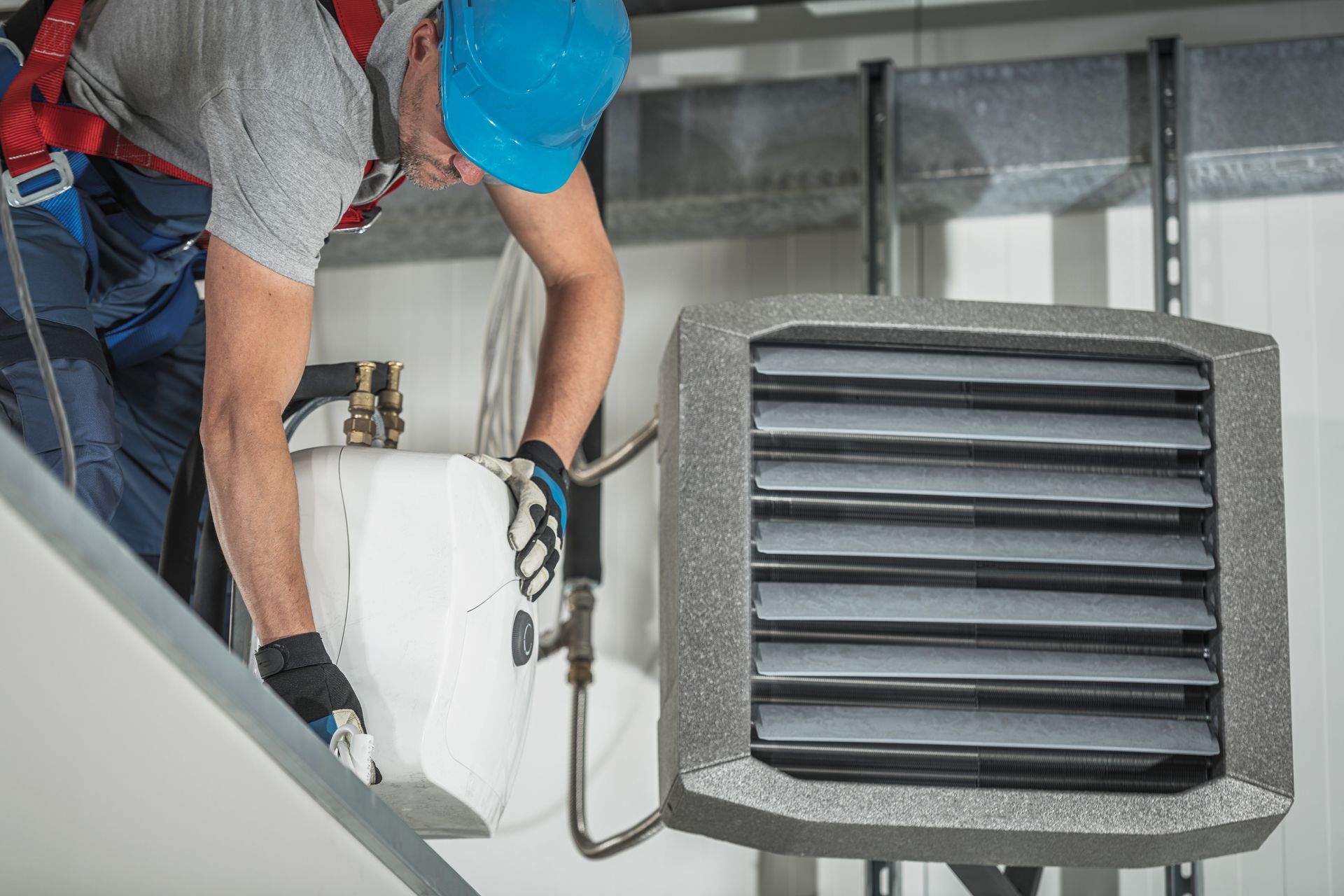
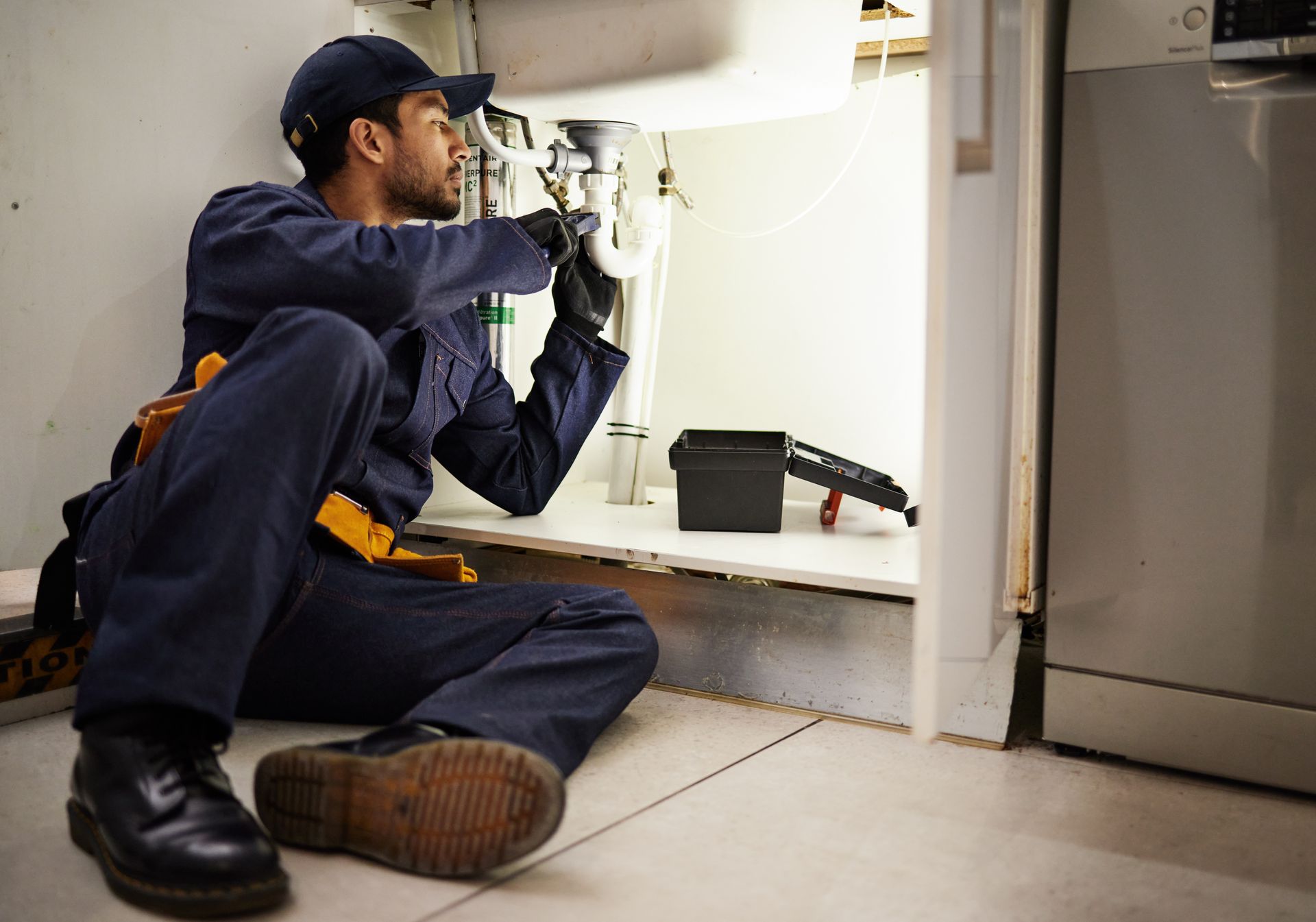
Coverage Built for Specialized Work
Support for high-risk and service-driven industries.

Simple Steps Supported by Steady Guidance
A Clear Path to Coverage
Trusted by Clients Across Southern California
Clear service backed by real experiences.
Answers to Common Questions.
Clear explanations to guide your decisions.
How do I know which insurance policy is right for me?
We compare coverage options from multiple carriers to help you see differences in protection and price. You can review clear details and ask questions so you understand what each policy covers. Our team guides you step by step so you feel sure about your decision.
What factors affect my auto insurance premium?
Auto insurance premiums are influenced by your driving history, age, location, vehicle type, and coverage choices. A clean driving record and good safety features can help lower costs. We review these factors with you and help find coverage that fits your budget and needs.
Does homeowners insurance cover all types of damage?
Standard homeowners insurance protects your structure, personal belongings, liability, and additional living expenses in many cases. However, it usually does not include flood or earthquake damage without separate policies. We help you decide if extra coverage is right for your home and location.
Can I update my policy or get certificates online?
Yes. You can submit requests for policy changes and certificates through our online service form at any time. Our team processes those requests quickly and confirms updates once complete so you have the documents you need.
Do I need separate insurance for business risks like EPLI or E&O?
Yes. General liability and workers compensation cover many business risks but do not protect against all exposures. For example, Employment Practices Liability Insurance (EPLI) covers claims like wrongful termination or discrimination, and Errors & Omissions (E&O) covers claims based on mistakes in professional services. We help you identify which extra policies your business may need.
What happens if I need to file a claim?
If you need to file a claim, we guide you through the process and help you contact the insurance carrier. We explain what information you should provide, answer your questions, and stay available while the carrier reviews your claim. This support helps you move forward with confidence.
Contact Us