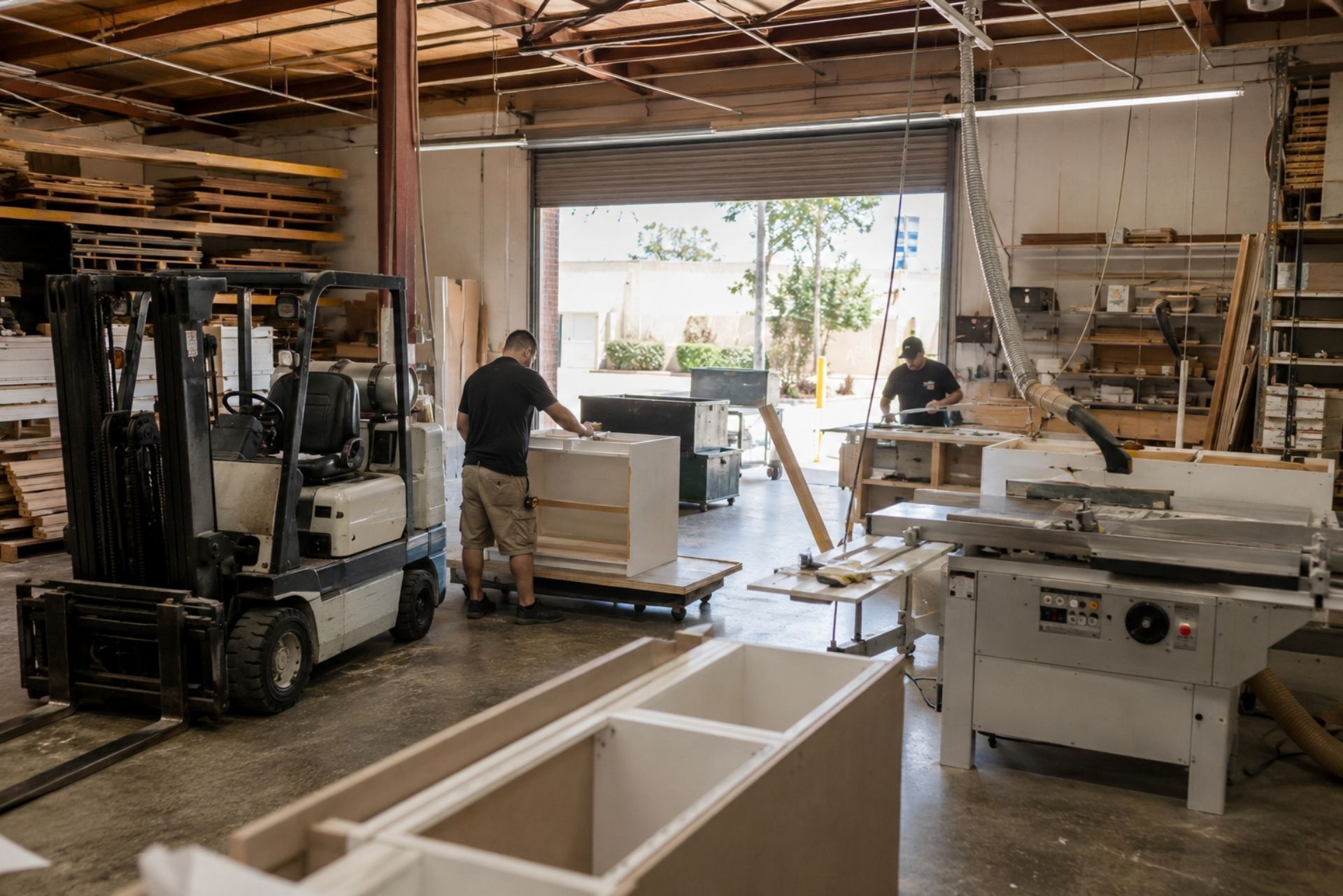
Running a small business in Orange, California, means dealing with foot traffic on Chapman Avenue, hosting events at local venues, or managing job sites across Orange County. It also means being one slip-and-fall lawsuit away from a financial disaster if you're not properly covered.
General liability insurance is one of those expenses that feels unnecessary until the moment you desperately need it, and by then, it's too late to buy it. The city of Orange has a unique mix of industries: restaurants and boutiques in the Old Towne district, construction firms serving the broader county, and professional services clustered near the civic center. Each of these businesses faces real liability risks shaped by California's plaintiff-friendly legal system and local regulations. Whether you're a new LLC filing your first paperwork with the city or a seasoned contractor bidding on your next project, understanding how general liability insurance works in this specific market can save you tens of thousands of dollars. This guide breaks down what the coverage actually includes, what drives costs in Orange County, how to match a policy to your industry, and how to pick a provider who won't disappear when you file a claim.
Understanding General Liability Insurance for Orange Businesses
General liability insurance is the foundational coverage that protects your business when a third party, whether a customer, vendor, or passerby, suffers harm connected to your operations. It's distinct from professional liability (which covers errors in your services) and workers' compensation (which covers employee injuries). Think of it as the policy that kicks in when someone who doesn't work for you gets hurt or their property gets damaged because of something your business did or failed to do.
For businesses operating in Orange, this coverage is particularly relevant because the city's walkable Old Towne area, mixed-use commercial zones, and proximity to major construction corridors create constant interaction between businesses and the public. A standard commercial general liability (CGL) policy typically includes $1 million per occurrence and $2 million aggregate, though your specific needs may vary.
Core Coverage: Bodily Injury and Property Damage
The most straightforward part of your policy covers bodily injury and property damage to third parties. If a customer trips over a loose floor mat in your Orange retail shop and breaks a wrist, your general liability policy pays for their medical bills, legal defense costs, and any settlement or judgment. The same applies if your landscaping crew accidentally damages a client's fence or irrigation system.
What surprises many business owners is that defense costs alone can run $50,000 to $100,000 in California, even for claims that ultimately get dismissed. Your policy covers those legal fees in addition to the liability limits, which is why carrying coverage matters even if you're confident you'd win in court.
Advertising Injury and Personal Liability Protection
This is the part of the policy most people overlook. Advertising injury coverage protects you against claims of libel, slander, copyright infringement in your advertising, and invasion of privacy. If your Orange-based marketing agency accidentally uses a competitor's copyrighted image in a campaign, or if a disgruntled former client claims you defamed them in a social media post, this portion of your CGL policy responds.
Personal injury coverage under a general liability policy also extends to claims like wrongful eviction (relevant if you're a
commercial landlord in Orange) and false arrest or detention (relevant for retail stores dealing with suspected shoplifters). These aren't hypothetical scenarios: California courts see these claims regularly.
By: Patrick Caruso
President of Caruso Insurance Services
Why Local Businesses in Orange Need Coverage
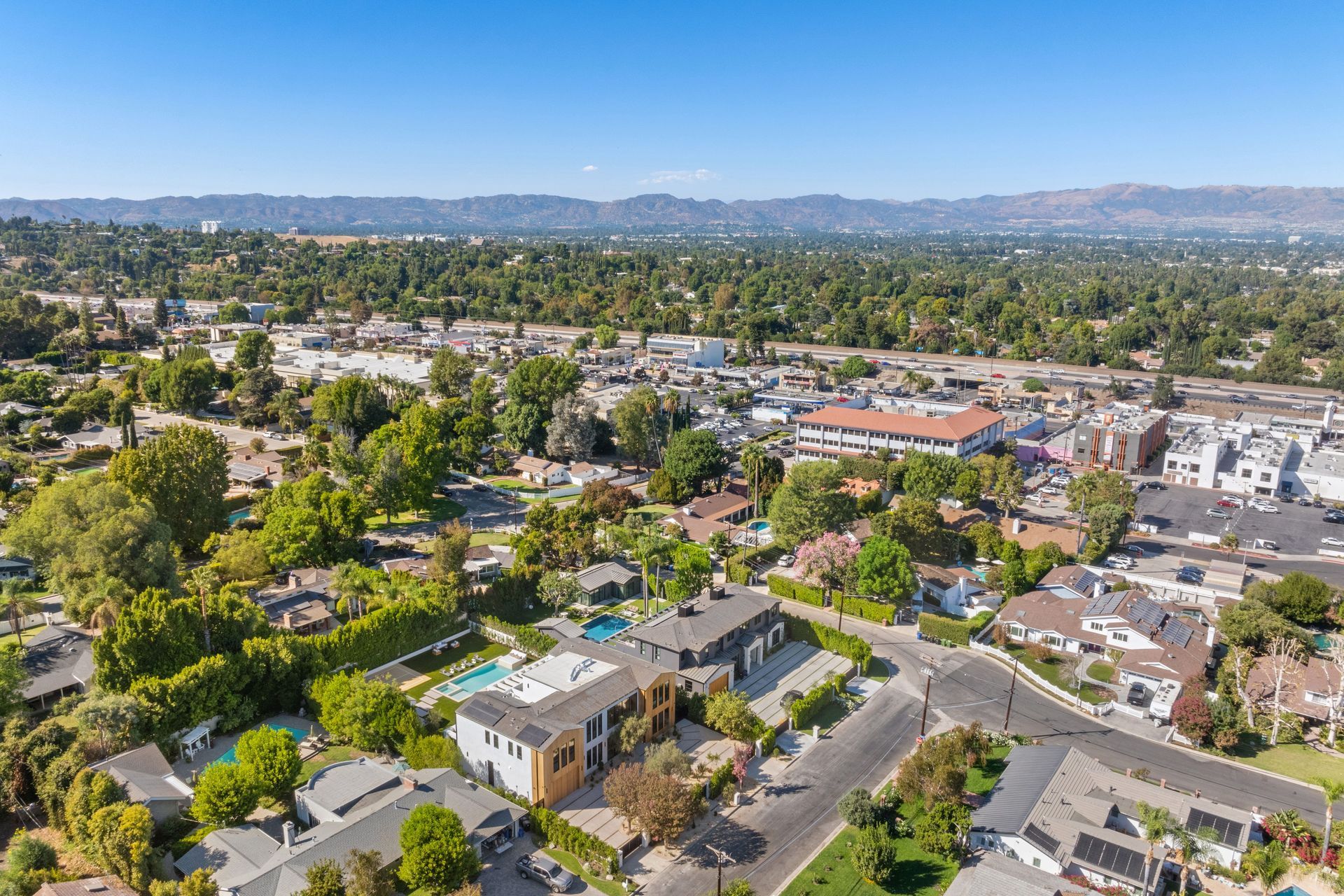
Orange isn't just another Southern California suburb. It's a city with specific regulatory requirements, an active business community, and a legal environment shaped by both city ordinances and California state law. Operating without general liability coverage here isn't just risky: it can disqualify you from contracts, lease agreements, and city permits.
The city's commercial districts see heavy pedestrian traffic, especially around the Orange Circle and along Tustin Street. Restaurants, bars, and retail shops in these areas face elevated exposure to slip-and-fall claims, alcohol-related incidents, and property damage. Even a home-based business in Orange isn't immune: if a client visits your home office and gets injured, your homeowner's policy almost certainly won't cover a business-related claim.
Navigating California's Legal and Regulatory Landscape
California is a pure comparative negligence state, which means even if your business is only 10% at fault for an injury, you can still be held liable for 10% of the damages. In a state where personal injury verdicts routinely exceed six figures, that 10% can still be a devastating number for a small business.
The state also has strict consumer protection laws, including the Unfair Competition Law (Business and Professions Code Section 17200), which allows broad claims against businesses for unfair or deceptive practices. These claims can trigger your advertising injury coverage. California's statute of limitations for personal injury is two years, meaning a claim from an incident you've already forgotten about can surface long after it happened.
Orange County courts, including the Central Justice Center in nearby Santa Ana, handle a high volume of civil litigation. Juries in this county have historically been sympathetic to plaintiffs in personal injury cases, which means settlement pressure on businesses is real.
Meeting Contractual Requirements for Local Vendors
If you're bidding on work for the City of Orange, Orange Unified School District, or any commercial property management company in the area, you'll almost certainly need to show proof of general liability insurance. Most contracts require a minimum of $1 million per occurrence, and many require $2 million aggregate.
Landlords in Orange's commercial districts typically require tenants to carry general liability coverage and name the property owner as an additional insured on the policy. Without this coverage, you won't sign a lease in most commercial spaces along Katella Avenue or in the Orange Mall area. The same applies to vendors at the Orange International Street Fair and other city-sponsored events: proof of insurance is a non-negotiable requirement for participation.
Factors Influencing Insurance Costs in Orange County
Premiums for liability insurance in Orange vary widely, and understanding what drives those numbers helps you make smarter purchasing decisions. A low-risk consulting firm might pay $400 to $600 per year, while a general contractor could pay $3,000 to $8,000 or more for the same coverage limits. The difference comes down to a handful of factors that insurers weigh heavily.
Location within Orange County matters too. Businesses in high-traffic commercial areas pay slightly more than those in quieter office parks because foot traffic correlates with claim frequency. Your specific address, the condition of your premises, and even whether your building has been recently inspected can influence your quote.
Industry Risk Profiles and Business Size
Insurers assign every business a classification code based on its industry, and that code largely determines your base premium rate. A yoga studio in Orange carries a very different risk profile than a roofing company. The insurer looks at historical claim data for your industry nationwide and in California specifically.
Your annual revenue and number of employees also factor in. A restaurant doing $2 million in annual sales will pay more than one doing $500,000 because higher revenue generally means more customer interactions and more exposure. Some policies are rated on a per-$1,000-of-revenue basis, so as your business grows, your premium adjusts at renewal.
Claims History and Policy Deductibles
Your claims history is tracked in the CLUE (Comprehensive Loss Underwriting Exchange) database, and insurers check it before quoting you. Even a single paid claim in the past five years can increase your premium by 15% to 30%. Multiple claims can make you nearly uninsurable in the standard market, forcing you into surplus lines carriers that charge significantly more.
Choosing a higher deductible, say $2,500 instead of $1,000, can reduce your premium by 5% to 15%. But be honest with yourself about cash flow: a deductible only saves you money if you can actually pay it when a claim hits. For many small businesses in Orange, the $1,000 deductible strikes the right balance between affordable premiums and manageable out-of-pocket costs. Conducting annual property inspections and documenting maintenance with photos and reports can also help reduce your premiums over time by demonstrating proactive risk management to your insurer.

Tailoring Policies to Orange's Key Industries
A one-size-fits-all liability policy doesn't exist, and the businesses that get burned are usually the ones who bought a generic policy without understanding what it actually covers. Orange's economy is diverse enough that different industries need meaningfully different coverage structures.
Retail and Hospitality Protection
Orange's Old Towne district is packed with restaurants, bars, antique shops, and boutiques. These businesses face constant public interaction, which means elevated slip-and-fall risk, product liability exposure (especially for restaurants and food retailers), and liquor liability concerns for establishments serving alcohol.
If you serve alcohol, your standard general liability policy almost certainly excludes liquor liability. You'll need a separate liquor liability endorsement or standalone policy, which typically adds $1,200 to $3,500 per year depending on your sales volume. Restaurants should also consider product liability coverage for foodborne illness claims, which is sometimes included in a CGL policy but often needs to be specifically endorsed.
Contractors and Construction Liability
Orange County's construction market remains active in 2026, and contractors working in the city of Orange face some of the highest liability exposure of any industry. A general contractor typically needs at least $1 million/$2 million in general liability coverage, and many project owners and general contractors require subcontractors to carry the same.
Completed operations coverage, which protects you after a project is finished if your work causes damage or injury later, is critical. If you install a deck that collapses six months after completion, your completed operations coverage responds. Make sure this isn't excluded or sublimited in your policy. Contractors should also verify that their policy covers independent subcontractors, or require subs to carry their own coverage and provide certificates of insurance before starting work.
Professional Services and Office-Based Risks
Accountants, consultants, IT firms, and other professional service businesses in Orange might assume they don't need general liability because their work is primarily office-based. That assumption is wrong. If a client visits your office on North Tustin Street and trips on a cable, that's a general liability claim. If a delivery driver damages your landlord's property while dropping off supplies, that's potentially on you too.
Professional service firms typically pay the lowest general liability premiums, often $400 to $800 per year for a $1 million/$2 million policy. But don't confuse general liability with professional liability (errors and omissions): you likely need both. General liability covers physical harm and property damage, while professional liability covers financial harm from your professional advice or services.
How to Choose the Right Local Insurance Provider
Finding the right insurer matters almost as much as having the right coverage. A cheap policy from a carrier with poor claims handling is worse than a slightly more expensive one from a company that actually pays claims promptly and defends you aggressively.
Start by deciding whether you want to work with an independent agent, a captive agent, or buy directly from a carrier. Each approach has tradeoffs that affect your price, coverage options, and service quality.
Comparing Independent Agents vs. Direct Carriers
Independent agents in Orange, and there are several good ones, represent multiple insurance companies and can shop your coverage across carriers to find the best combination of price and coverage. This is particularly valuable if your business has unusual risks or a claims history that makes you a tough placement. An independent agent can also bundle your general liability with property, commercial auto, and workers' compensation into a business owner's policy (BOP) that often costs less than buying each coverage separately.
Direct carriers like GEICO Commercial, Hiscox, and Next Insurance let you buy online without an agent, often at lower prices. The tradeoff is less personalized advice and potentially fewer coverage options. For straightforward businesses like a small retail shop or consulting firm, buying direct can work fine. For more complex operations like contractors or restaurants, an experienced local agent usually earns their commission.
Evaluating Customer Support and Claims Handling
Ask any prospective insurer or agent these specific questions: What is the average time from claim filing to first contact from an adjuster? Do they have adjusters based in California, or are claims handled from a national call center? What is their AM Best financial strength rating?
An AM Best rating of A- or better indicates the carrier has strong financial reserves to pay claims. Anything below B+ should give you pause. You can also check complaint ratios through the California Department of Insurance website, which tracks how many complaints each carrier receives relative to their market share. A carrier with a high complaint ratio relative to its size is a red flag, no matter how cheap their premiums are.
Securing Your Business Future in the City of Orange
Liability insurance for businesses in Orange isn't a luxury or a box to check: it's a financial safety net that keeps a single bad day from becoming a business-ending catastrophe. California's legal environment, Orange County's active civil courts, and the everyday risks of serving customers all point to the same conclusion: carrying proper coverage is non-negotiable.
The smartest move you can make this week is to pull out your current policy (or acknowledge you don't have one) and compare it against the risks specific to your industry and location. Review your coverage limits, check for exclusions that could leave you exposed, and verify that your policy reflects your current revenue and operations. If you haven't filed a claim in years, shop your coverage: you may qualify for better rates than you're currently paying.
Talk to at least two independent agents in Orange County, get quotes from one direct carrier, and compare not just price but coverage terms and claims reputation. Your business is worth the two hours that process takes.
ABOUT THE AUTHOR:
PATRICK CARUSO
I’m Patrick Caruso, founder of Caruso Insurance, and I have spent more than 25 years helping families, contractors, and small businesses across Southern California make confident insurance decisions. I focus on explaining coverage in clear terms, comparing multiple carriers, and supporting clients with steady communication so they feel secure with each step. My goal is to provide dependable guidance, simple answers, and a smooth process for anyone who needs personal or business insurance.
Contact Us

Service that stays with you.
Our team helps simplify insurance decisions for families and businesses. We focus on clear explanations, fast responses, and dependable service. You can count on us for help with coverage questions, updates, and long-term support.
Coverage that keeps you secure
Reliable Protection for Everyday Life
Home insurance helps protect your house, personal belongings, and liability risks. We explain coverage options clearly so you know what your policy includes.
Auto insurance provides protection for accidents, liability, and vehicle damage. We help you compare options so you can choose coverage that fits your driving needs.
Motorcycle insurance provides coverage for riders and their bikes. We help you select options that match how and where you ride.
RV insurance supports protection for motorhomes and recreational vehicles. Coverage applies during travel and while parked.
Coverage Built for Contractors and Trades
Support that keeps your work moving.

General Liability Insurance
General liability insurance helps protect contractors from injury and property damage claims. It supports jobsite requirements and contracts.

Workers Compensation
Workers compensation insurance helps protect employees injured while working. It also supports compliance with state requirements.

Commercial Auto Insurance
Commercial auto insurance provides coverage for work vehicles used on jobsites. It helps protect drivers and company vehicles.
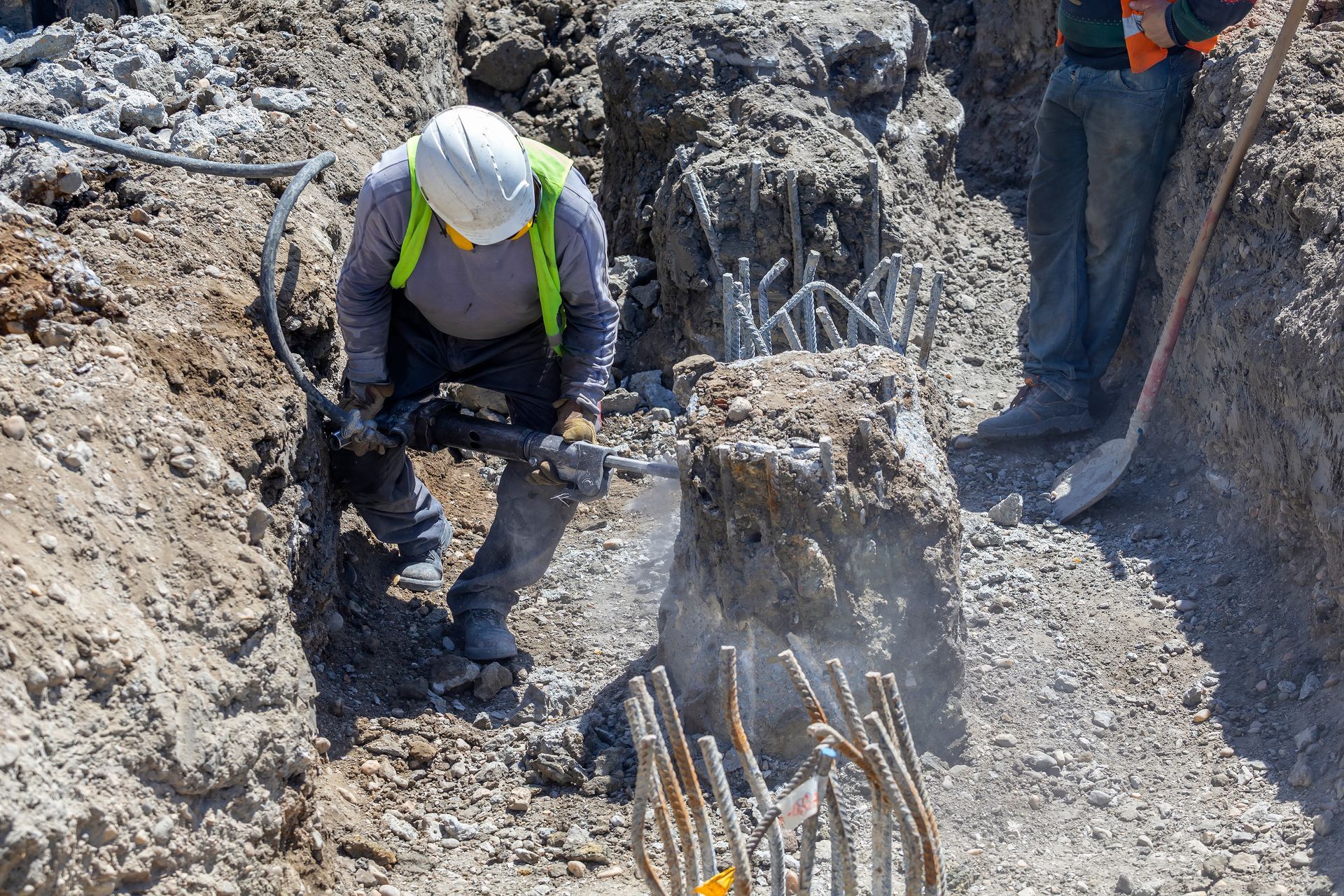
Contractor Insurance
Contractor insurance supports trades and service professionals across Southern California. It helps protect tools, equipment, and daily operations.

Cyber Liability Insurance
Cyber liability insurance helps protect business data and customer information. It supports recovery from digital incidents.

Commercial Property Insurance
Commercial property insurance helps protect offices, shops, and equipment. It supports recovery after covered damage.
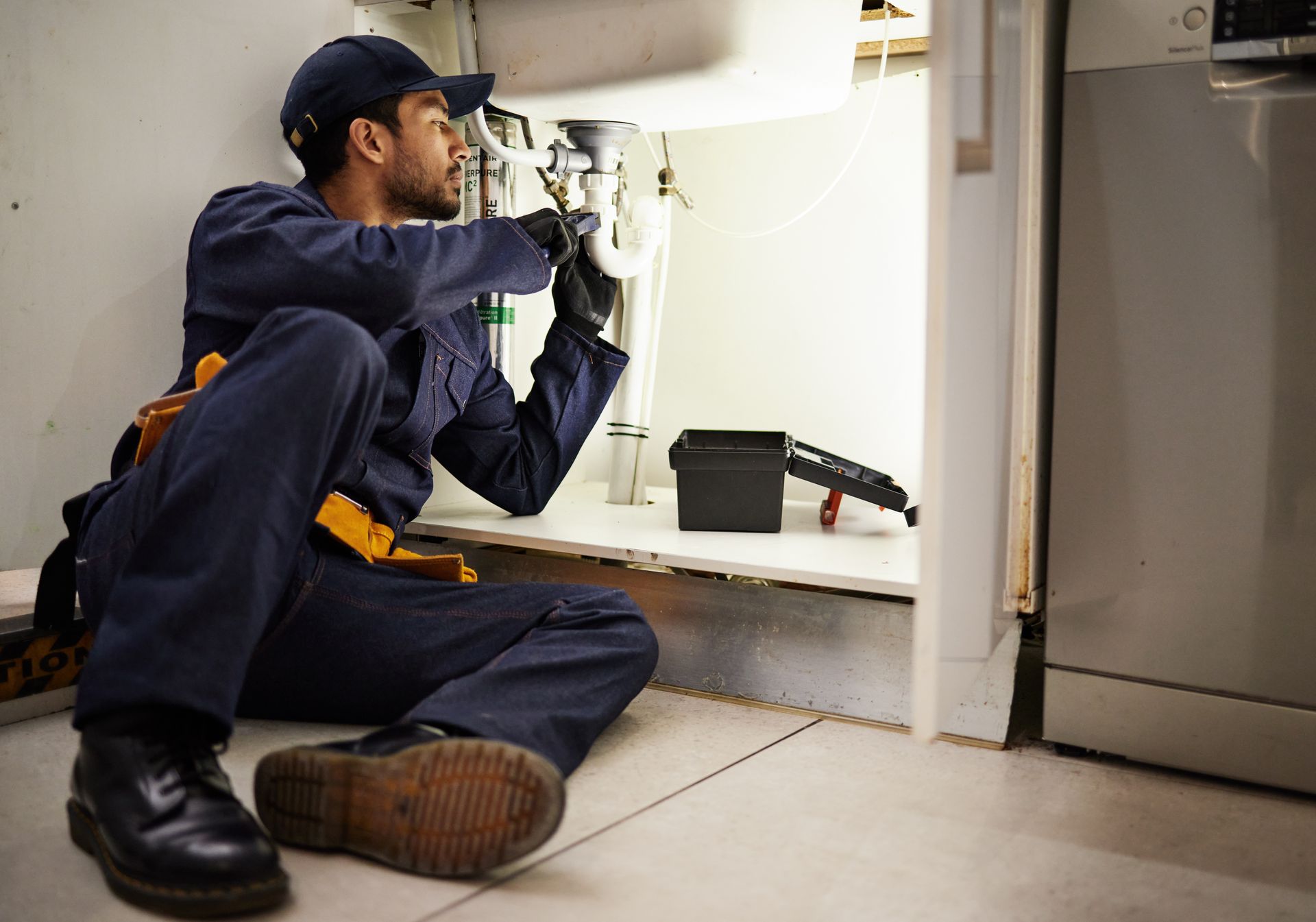
Coverage Built for Specialized Work
Support for high-risk and service-driven industries.


Simple Steps Supported by Steady Guidance
A Clear Path to Coverage
Trusted by Clients Across Southern California
Clear service backed by real experiences.
Answers to Common Questions.
Clear explanations to guide your decisions.
How do I know which insurance policy is right for me?
We compare coverage options from multiple carriers to help you see differences in protection and price. You can review clear details and ask questions so you understand what each policy covers. Our team guides you step by step so you feel sure about your decision.
What factors affect my auto insurance premium?
Auto insurance premiums are influenced by your driving history, age, location, vehicle type, and coverage choices. A clean driving record and good safety features can help lower costs. We review these factors with you and help find coverage that fits your budget and needs.
Does homeowners insurance cover all types of damage?
Standard homeowners insurance protects your structure, personal belongings, liability, and additional living expenses in many cases. However, it usually does not include flood or earthquake damage without separate policies. We help you decide if extra coverage is right for your home and location.
Can I update my policy or get certificates online?
Yes. You can submit requests for policy changes and certificates through our online service form at any time. Our team processes those requests quickly and confirms updates once complete so you have the documents you need.
Do I need separate insurance for business risks like EPLI or E&O?
Yes. General liability and workers compensation cover many business risks but do not protect against all exposures. For example, Employment Practices Liability Insurance (EPLI) covers claims like wrongful termination or discrimination, and Errors & Omissions (E&O) covers claims based on mistakes in professional services. We help you identify which extra policies your business may need.
What happens if I need to file a claim?
If you need to file a claim, we guide you through the process and help you contact the insurance carrier. We explain what information you should provide, answer your questions, and stay available while the carrier reviews your claim. This support helps you move forward with confidence.
Contact Us