Norco sits in a unique pocket of Riverside County where horse trails run alongside commercial corridors and small businesses serve a community that's equal parts rural and suburban. If you own a business here, you already know the city's identity shapes the kinds of risks you face daily. A customer's horse spooking near your storefront, a slip on a freshly mopped floor at your feed supply shop, or a subcontractor's mistake on a residential build: these aren't hypothetical scenarios. They're Tuesday. General liability insurance in Norco isn't just a box to check for licensing purposes. It's the financial backstop that keeps a single bad day from becoming the last day your business operates. Whether you run a tack shop on Sixth Street or a contracting outfit working new developments off Hamner Avenue, the right policy can mean the difference between absorbing a $50,000 lawsuit and closing your doors. This guide breaks down what local
business owners actually need to know about coverage, costs, and choosing a provider that understands Riverside County.
Understanding General Liability Needs for Norco Businesses
Norco's business community is unlike most cities in Southern California. The city actively maintains its "Horsetown USA" identity through zoning laws that allow livestock on residential properties and commercial districts that cater to equestrian culture. This creates a business environment where traditional retail risks overlap with agricultural and animal-related exposures that most generic insurance guides completely ignore.
The roughly 27,000 residents support a mix of feed stores, farriers, veterinary clinics, restaurants, construction firms, and service businesses. Each of these faces liability exposures shaped by Norco's specific character. A restaurant owner in Irvine worries about food contamination claims. A restaurant owner in Norco worries about that plus the fact that customers regularly arrive on horseback and tie their animals to hitching posts outside.
The Role of Liability Coverage in Horsetown USA
Norco's municipal code requires minimum lot sizes that accommodate horses, and the city maintains over 100 miles of horse trails. Businesses operating near these trails or serving equestrian customers face exposure that standard policies may not adequately address without endorsements. If a horse damages your property or injures a customer on your premises, general liability coverage is your first line of defense.
The city's 2025 economic development push brought new mixed-use projects along Sixth Street and Hamner, increasing foot traffic and commercial activity. More customers means more exposure. A general liability policy responds to third-party claims arising from your business operations, and in a city where those operations might involve anything from shoeing horses to pouring concrete foundations, the specifics of your policy matter enormously.
Common Risks for Local Retail and Service Industries
Retail businesses in Norco face the standard slip-and-fall and product liability risks, but the local flavor adds wrinkles. Feed and tack shops handle heavy inventory that can injure customers. Equestrian supply stores sell products that, if defective, could lead to serious injury claims involving riders. Service businesses like mobile farriers and horse trainers operate on client properties, creating off-premises liability exposure.
Restaurants and bars along Sixth Street deal with alcohol-related liability. Auto repair shops and welding operations scattered throughout the city handle flammable materials. Even home-based businesses, which are common in Norco given the larger lot sizes, need coverage if clients visit the property. The common thread is that every business type here has at least one risk factor that's amplified by the city's unique character.
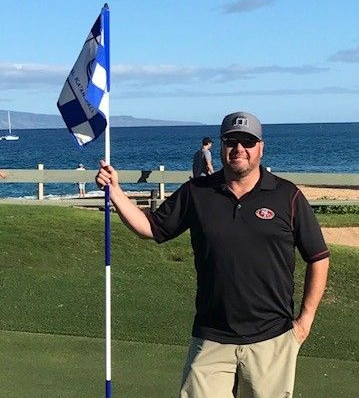
By: Patrick Caruso
President of Caruso Insurance Services
What Norco General Liability Insurance Typically Covers
A standard commercial general liability policy covers three broad categories of claims. Understanding each one helps you evaluate whether your current limits are adequate or whether you're carrying gaps that could cost you six figures in a bad scenario.
Third-Party Bodily Injury and Property Damage
This is the core of any general liability policy. If a customer, vendor, or passerby is injured on your premises or as a result of your business operations, this coverage pays for their medical expenses and any resulting legal judgments. Property damage works the same way: if your operations damage someone else's property, the policy responds.
In Norco, bodily injury claims often involve scenarios specific to the local environment. A customer trips over uneven pavement in your parking lot where horse trailers have worn down the surface. A delivery driver's vehicle is damaged by debris from your construction site on a windy day in the Santa Ana corridor. These claims typically range from $5,000 for minor incidents to well over $100,000 for serious injuries, making the standard $1 million per-occurrence limit a reasonable starting point for most small businesses.
Personal and Advertising Injury Protection
This coverage is less intuitive but equally important. Personal injury in insurance terms refers to non-physical harms like libel, slander, wrongful eviction, or invasion of privacy. Advertising injury covers claims that your marketing materials infringed on someone's copyright or made false statements about a competitor.
A Norco business might face this kind of claim if, for example, a negative social media post about a competitor's feed products leads to a defamation lawsuit. Or if your advertising inadvertently uses imagery that infringes on another company's trademark. These claims are rarer than bodily injury, but they tend to be expensive to defend even when you win.
Legal Defense Costs and Medical Payments
Here's something many business owners miss: your general liability policy pays for legal defense costs in addition to the policy limits, not out of them. This is called "defense outside limits," and it's standard on most commercial general liability forms. A $30,000 legal defense doesn't reduce your $1 million in available coverage.
Medical payments coverage, typically set at $5,000 or $10,000, pays for minor injuries regardless of fault. If a customer cuts their hand on a display in your store, med pay covers the urgent care visit without requiring a formal claim or fault determination. It's a goodwill mechanism that often prevents small incidents from becoming lawsuits.
Industry-Specific Considerations for Riverside County
Riverside County's economy includes significant agricultural, equestrian, and construction activity. Generic policies written for office-based businesses often leave gaps for these industries.
Specialized Policies for Equestrian and Agricultural Businesses
If you operate a boarding stable, riding school, or equine therapy program in Norco, a standard general liability policy probably isn't enough. You'll need an equine liability policy or specific endorsements that cover animal-related injuries. California's equine activity liability statute provides some protection, but it doesn't eliminate your exposure entirely.
Agricultural operations face similar challenges. Pesticide application, machinery operation, and crop-related claims require endorsements or separate farm liability policies. A feed store that also grows and sells hay, for instance, has both retail and agricultural exposures that need separate treatment. Expect to pay $1,200 to $3,500 annually for a basic equine liability policy, depending on the number of horses and the nature of your operations.
Coverage for Construction Contractors and Artisans
Norco's ongoing residential development means contractors and tradespeople are busy. California requires contractors to carry general liability insurance, and most general contractors won't hire subcontractors without proof of coverage. The minimum that most GCs require is $1 million per occurrence and $2 million aggregate.
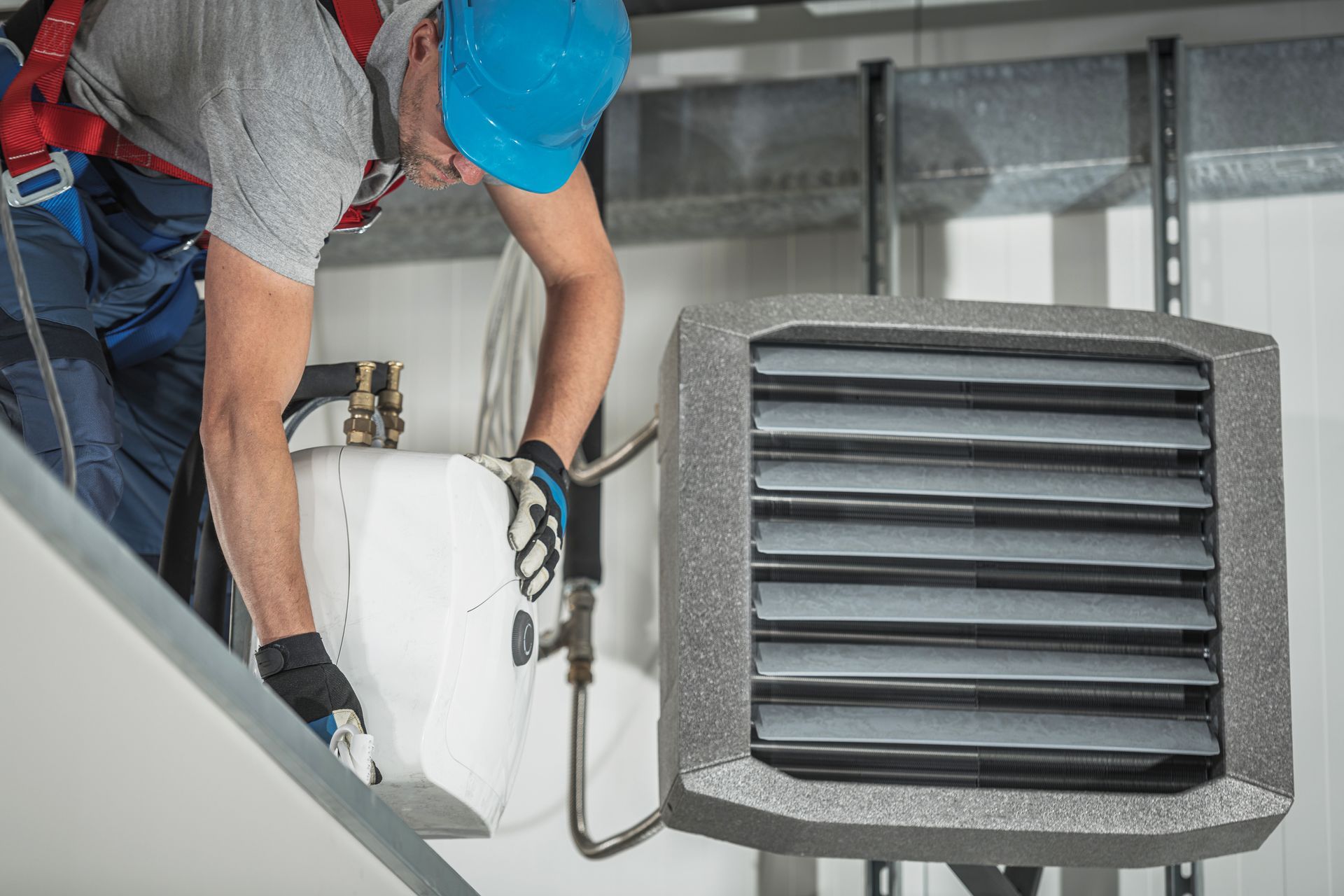
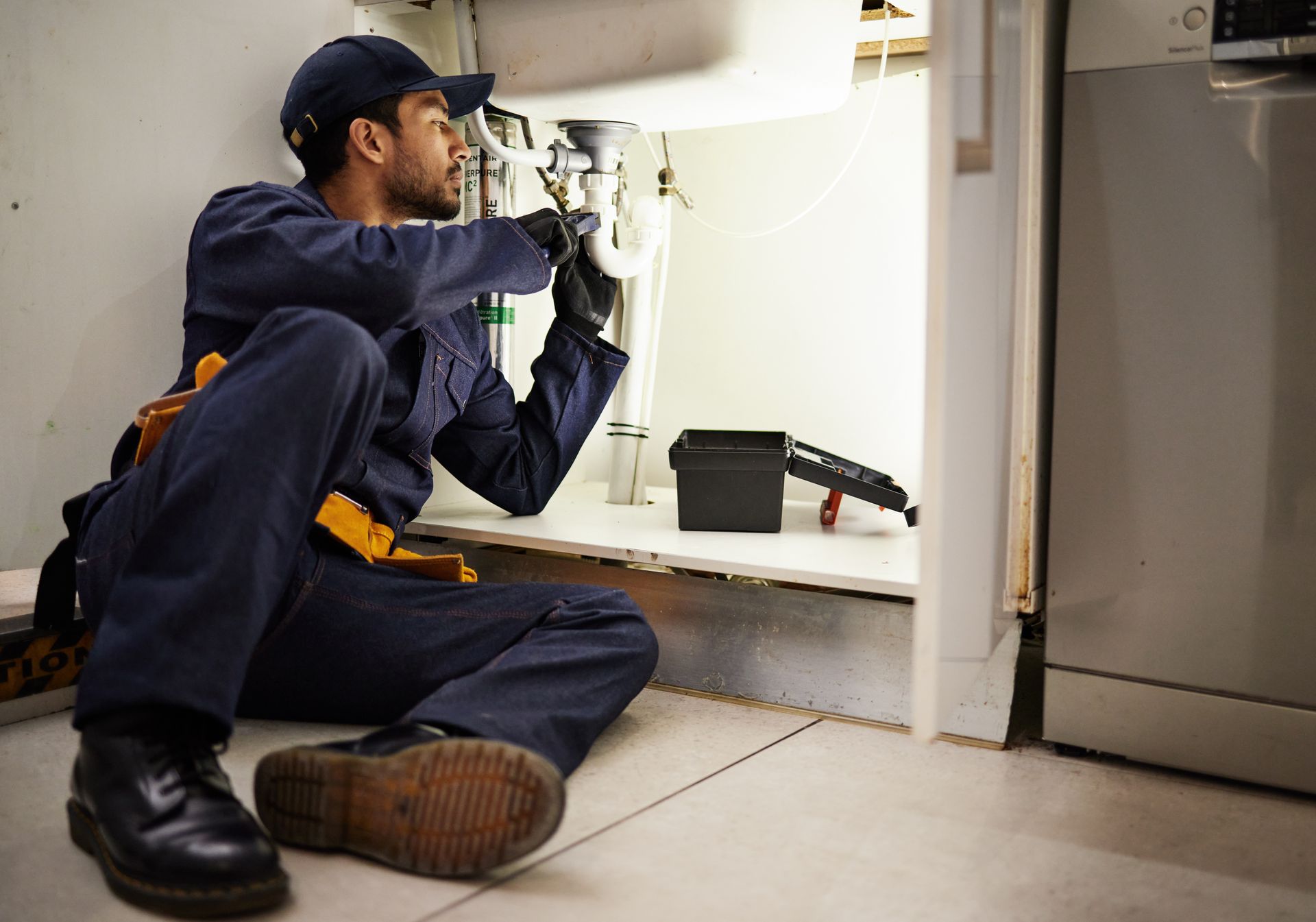
Artisan contractors like electricians, plumbers, and HVAC technicians typically pay between $800 and $2,500 annually for general liability coverage. General contractors with larger operations and higher revenue can expect premiums from $3,000 to $10,000 or more. Your classification code matters enormously here: a framing contractor pays significantly more than a painter because the risk profile is different. Make sure your insurer assigns the correct code, because an error can mean overpaying for years or, worse, having a claim denied for misclassification.
Premiums aren't arbitrary numbers. Insurers use specific data points to calculate your rate, and understanding these factors gives you some control over what you pay.
Business Size, Revenue, and Risk Classification
Annual revenue is one of the primary rating factors for general liability. A Norco retail shop doing $250,000 in annual sales will pay less than one doing $1.2 million, all else being equal. Employee count matters too, particularly for businesses where employees interact with the public or perform physical labor.
Your NAICS code and insurance classification determine your base rate. A professional services firm might pay $400 to $800 annually, while a restaurant pays $2,000 to $5,000. The location within Norco itself has less impact than the industry classification, but Riverside County's litigation environment does factor in. Southern California tends to see higher average claim costs than rural parts of the state.
Claims History and Safety Protocols
Your loss history follows you through the CLUE (Comprehensive Loss Underwriting Exchange) database. Insurers check this report when quoting your policy, and a history of claims, even small ones, can increase your premiums by 15% to 40%. Two or more claims in a five-year period may make it difficult to find coverage through standard carriers at all.
The flip side is that a clean claims history combined with documented safety protocols can earn you discounts. Annual property inspections with photos and written reports demonstrate that you take risk management seriously. Installing security cameras, maintaining proper lighting, and training employees on safety procedures all reduce your likelihood of a claim and give your agent ammunition to negotiate better rates on your behalf.
How to Choose the Right Local Insurance Provider
Not all insurance providers offer the same value, and the cheapest quote isn't always the best deal. The claims experience, not the premium, is what determines whether you chose well.
Comparing Independent Agents vs. Direct Writers
Independent agents represent multiple insurance carriers and can shop your policy across several companies. This gives you access to a broader market and often results in better pricing through competition. A good independent agent in the Riverside County area will know which carriers are competitive for your specific industry and risk profile.
Direct writers like State Farm or Farmers represent only their own company. The advantage is simplicity and brand recognition. The disadvantage is limited options: if their one carrier doesn't offer competitive rates for your business type, you're stuck. For standard risks like small retail or professional services, direct writers can be perfectly adequate. For specialized risks like equestrian businesses or contractors, an independent agent almost always delivers better results.
Evaluating Policy Limits and Deductibles
Most small businesses in Norco should carry at least $1 million per occurrence and $2 million aggregate in general liability coverage. If you sign contracts with larger companies or government entities, they may require higher limits, which you can achieve through an umbrella or excess liability policy rather than increasing your base policy limits.
Deductibles on general liability policies are less common than on property insurance, but some policies include a per-claim deductible of $500 to $2,500. A higher deductible lowers your premium, but make sure you can comfortably absorb that amount if a claim occurs. Ask your agent to quote the policy both ways so you can see the actual dollar difference. Often the premium savings from a higher deductible amount to only $100 to $200 annually, which may not be worth the added out-of-pocket risk.
Securing Your Business Future in the Norco Community
Running a business in Norco means operating in a community that values its small-town character while absorbing the growth pressures of greater Riverside County. The right general liability coverage protects not just your balance sheet but your ability to keep serving the customers who depend on you.
Start by getting at least three quotes from providers who understand Norco's specific business environment. Ask each one how they'd handle a claim scenario relevant to your industry. Document your safety practices, maintain your property, and review your policy annually as your revenue and operations change. A policy that fit your business two years ago may leave gaps today.
The businesses that thrive here long-term are the ones that treat insurance not as an expense to minimize but as a tool to manage risk intelligently. Get the right coverage, maintain it properly, and focus your energy on what you do best: serving the Norco community.
ABOUT THE AUTHOR:
PATRICK CARUSO
I’m Patrick Caruso, founder of Caruso Insurance, and I have spent more than 25 years helping families, contractors, and small businesses across Southern California make confident insurance decisions. I focus on explaining coverage in clear terms, comparing multiple carriers, and supporting clients with steady communication so they feel secure with each step. My goal is to provide dependable guidance, simple answers, and a smooth process for anyone who needs personal or business insurance.
Contact Us

Service that stays with you.
Our team helps simplify insurance decisions for families and businesses. We focus on clear explanations, fast responses, and dependable service. You can count on us for help with coverage questions, updates, and long-term support.
Coverage that keeps you secure
Reliable Protection for Everyday Life
Home insurance helps protect your house, personal belongings, and liability risks. We explain coverage options clearly so you know what your policy includes.
Auto insurance provides protection for accidents, liability, and vehicle damage. We help you compare options so you can choose coverage that fits your driving needs.
Motorcycle insurance provides coverage for riders and their bikes. We help you select options that match how and where you ride.
RV insurance supports protection for motorhomes and recreational vehicles. Coverage applies during travel and while parked.
Coverage Built for Contractors and Trades
Support that keeps your work moving.

General Liability Insurance
General liability insurance helps protect contractors from injury and property damage claims. It supports jobsite requirements and contracts.

Workers Compensation
Workers compensation insurance helps protect employees injured while working. It also supports compliance with state requirements.

Commercial Auto Insurance
Commercial auto insurance provides coverage for work vehicles used on jobsites. It helps protect drivers and company vehicles.
Contractor Insurance
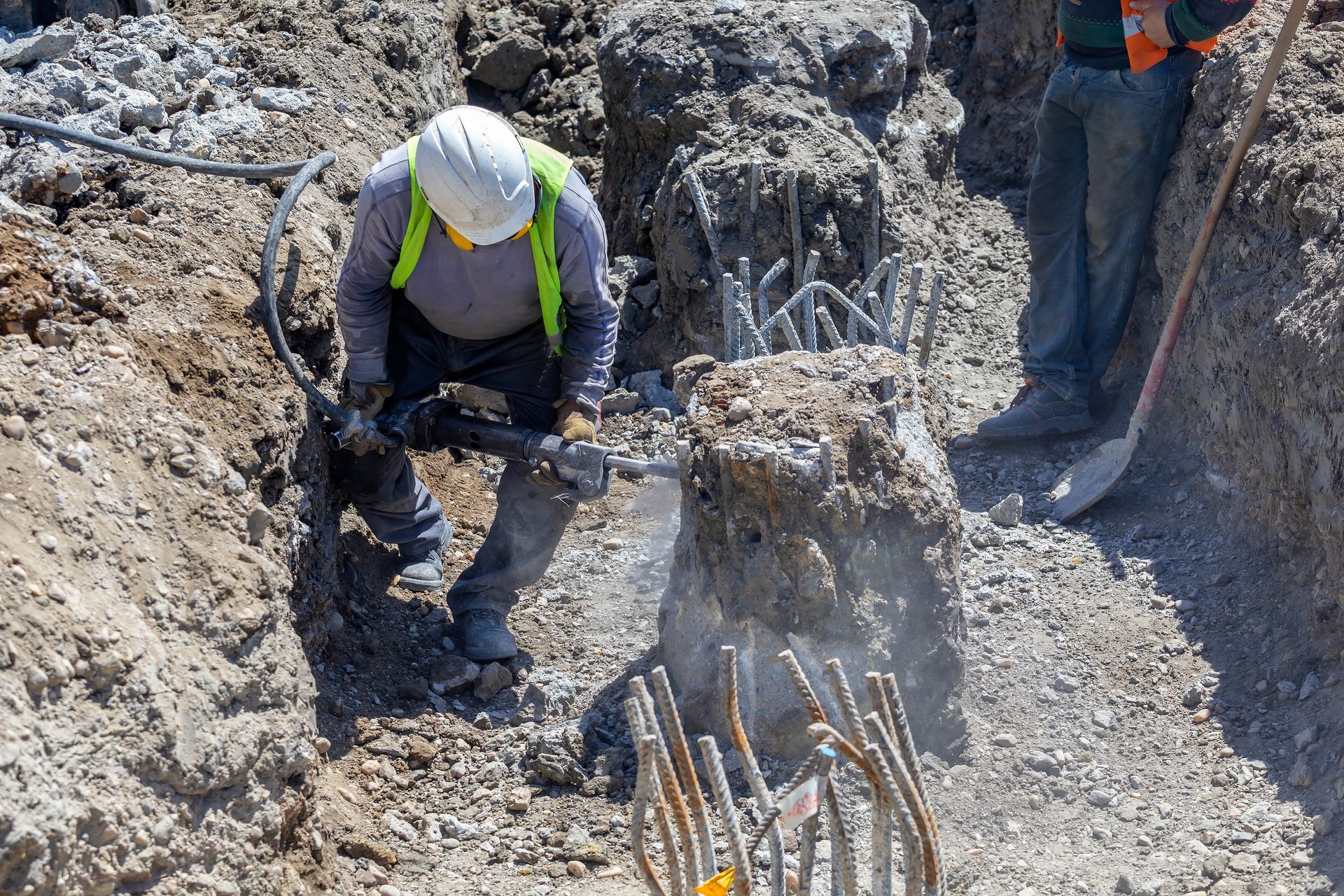
Contractor insurance supports trades and service professionals across Southern California. It helps protect tools, equipment, and daily operations.

Cyber Liability Insurance
Cyber liability insurance helps protect business data and customer information. It supports recovery from digital incidents.

Commercial Property Insurance
Commercial property insurance helps protect offices, shops, and equipment. It supports recovery after covered damage.
Coverage Built for Specialized Work
Support for high-risk and service-driven industries.

Simple Steps Supported by Steady Guidance
A Clear Path to Coverage
Trusted by Clients Across Southern California
Clear service backed by real experiences.
Answers to Common Questions.
Clear explanations to guide your decisions.
How do I know which insurance policy is right for me?
We compare coverage options from multiple carriers to help you see differences in protection and price. You can review clear details and ask questions so you understand what each policy covers. Our team guides you step by step so you feel sure about your decision.
What factors affect my auto insurance premium?
Auto insurance premiums are influenced by your driving history, age, location, vehicle type, and coverage choices. A clean driving record and good safety features can help lower costs. We review these factors with you and help find coverage that fits your budget and needs.
Does homeowners insurance cover all types of damage?
Standard homeowners insurance protects your structure, personal belongings, liability, and additional living expenses in many cases. However, it usually does not include flood or earthquake damage without separate policies. We help you decide if extra coverage is right for your home and location.
Can I update my policy or get certificates online?
Yes. You can submit requests for policy changes and certificates through our online service form at any time. Our team processes those requests quickly and confirms updates once complete so you have the documents you need.
Do I need separate insurance for business risks like EPLI or E&O?
Yes. General liability and workers compensation cover many business risks but do not protect against all exposures. For example, Employment Practices Liability Insurance (EPLI) covers claims like wrongful termination or discrimination, and Errors & Omissions (E&O) covers claims based on mistakes in professional services. We help you identify which extra policies your business may need.
What happens if I need to file a claim?
If you need to file a claim, we guide you through the process and help you contact the insurance carrier. We explain what information you should provide, answer your questions, and stay available while the carrier reviews your claim. This support helps you move forward with confidence.
Contact Us