
Fontana sits at the crossroads of some of Southern California's busiest freight corridors, and the city's business environment reflects that energy. From massive distribution centers along Cherry Avenue to the small shops lining Sierra Avenue, local owners face a mix of risks that don't always match what you'd find in coastal cities or quieter suburbs. If you're running a business here,
general liability insurance isn't just a box to check: it's the financial backstop that keeps a slip-and-fall incident or a
damaged client vehicle from wiping out years of hard work. Whether you're a
liability coverage or managing a team of fifty in a warehouse off Jurupa Avenue, understanding how
liability coverage works in Fontana specifically can save you thousands of dollars and a lot of sleepless nights. This guide breaks down what local businesses actually need to know, from coverage basics to the hyper-local factors that shape your premiums in San Bernardino County.
Understanding General Liability Insurance for Fontana Businesses
General liability insurance is the foundational policy that protects a business against third-party claims. "Third-party" means someone outside your company: a customer, a vendor, a passerby, or even a neighboring business. The policy covers the cost of legal defense, settlements, and judgments when your business is accused of causing harm or damage, regardless of whether the claim has merit.
For Fontana businesses, this coverage matters more than many owners realize. California consistently ranks among the top states for personal injury lawsuits, and San Bernardino County courts see a heavy volume of civil cases. A standard general liability policy typically covers three broad categories of risk, each of which plays out differently depending on your industry and location.
Core Coverage: Bodily Injury and Property Damage
Bodily injury coverage kicks in when someone is physically hurt on your premises or as a result of your operations. Think of a customer tripping over a pallet outside your Fontana warehouse, or a delivery driver backing into a client's parked car. Property damage coverage handles situations where your business activities damage someone else's property: a painter accidentally splattering a neighbor's vehicle, or a plumber flooding a client's kitchen.
The financial exposure here is real. A single slip-and-fall claim in California can easily exceed $50,000 in medical bills and legal fees. More serious injuries, like a back injury from a fall in a loading dock, can push into six figures. Your general liability policy pays for the injured party's medical expenses, your legal defense costs, and any settlement or court award up to your policy limits
Personal and Advertising Injury Protection
This part of your policy covers non-physical harms. If a competitor accuses you of slander, or a former client claims your advertising copied their branding, personal and advertising injury coverage responds. It also handles claims of wrongful eviction (relevant for Fontana landlords), invasion of privacy, and copyright infringement in your marketing materials.
These claims are less common than bodily injury cases, but they can be expensive to defend. Even a frivolous defamation lawsuit can cost $15,000 to $30,000 in attorney fees before it's dismissed. Having this coverage built into your liability policy means you're not paying those defense costs out of pocket.
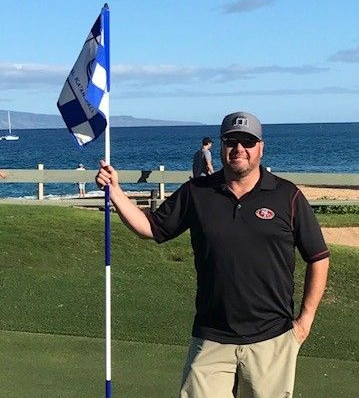
By: Patrick Caruso
President of Caruso Insurance Services
Why Fontana Companies Need Specific Local Coverage
Not all liability risks are created equal, and Fontana's business environment creates a distinct risk profile. The city's rapid growth, its position as a logistics hub, and the specific requirements of local government all shape what kind of coverage you actually need.
Navigating Inland Empire Legal and Risk Landscapes
San Bernardino County's court system has its own tendencies. Jury awards in the Inland Empire have trended upward over the past several years, partly because the region's population has grown and partly because plaintiff attorneys have become more aggressive in pursuing commercial claims. A $1 million general liability policy that felt generous five years ago may not stretch as far in a 2026 courtroom.
The climate also plays a role. Fontana's hot, dry summers create specific hazards: cracked sidewalks from heat expansion, fire risks near brush areas on the city's northern edge, and heat-related injuries for outdoor workers. Your policy needs to account for these regional realities rather than treating Fontana like any generic American city.
Meeting City of Fontana Licensing and Permit Requirements
The City of Fontana requires proof of general liability insurance for many business licenses and permits. Contractors, event organizers, and businesses operating in certain commercial zones must show active coverage before the city will issue or renew their permits. The minimum required limits vary by activity, but $1 million per occurrence and $2 million aggregate is the standard baseline the city expects.
If you're bidding on work with the city or with Fontana's school district, you'll typically need to name them as additional insureds on your policy. This is a standard endorsement that most carriers can add for a small fee, but you need to plan for it before submitting your bid. Missing this requirement can cost you a contract.
Industry-Specific Risks in the Fontana Area
Fontana's economy is diverse, but a few industries dominate the local landscape. Each one carries distinct liability exposures that affect both your coverage needs and your premium costs.
Warehousing and Logistics Liability
Fontana is one of the Inland Empire's warehouse capitals. The stretch of I-10 and I-15 corridors running through the city hosts millions of square feet of distribution space, and more facilities are under construction in 2026. If you operate in this sector, your liability risks include:
- Forklift accidents injuring visiting truck drivers or inspectors
- Goods falling from racking and damaging a client's inventory
- Slip-and-fall injuries on loading docks, especially during early morning hours when condensation makes surfaces slick
- Damage to neighboring properties from truck traffic or chemical spills
A warehousing operation in Fontana should carry at least $2 million in general liability coverage, and many landlords and clients will require $5 million through an umbrella policy. Your claims history matters enormously here: even one significant claim can raise your premiums by 20% to 40% at renewal, and that claim stays on your CLUE (Comprehensive Loss Underwriting Exchange) report for up to seven years.
Construction and Artisan Contractor Coverage
Fontana's ongoing residential and commercial development means contractors are everywhere. Whether you're framing houses in the new developments near Summit Avenue or doing tenant improvements in commercial spaces along Foothill Boulevard, your liability exposure is substantial.
California holds contractors to strict liability standards for construction defects, and claims can surface years after a project is completed. Your general liability policy covers third-party injuries at job sites, but you should confirm that your policy includes completed operations coverage: this protects you after you've finished a job and moved on. A homeowner who discovers a leaking roof two years later can still file a claim against you, and without completed operations coverage, you're exposed.
Retail and Small Business Protection
Fontana's retail corridors along Sierra Avenue, Foothill Boulevard, and the Sierra Lakes area host hundreds of small businesses. Restaurants, salons, auto repair shops, and retail stores all need general liability coverage tailored to their foot traffic and operations.
A restaurant, for example, faces food contamination claims, slip-and-fall risks from spilled drinks, and potential property damage from grease fires. A hair salon deals with allergic reaction claims from products and burns from styling tools. Each of these scenarios falls under general liability, but the specific sub-limits and exclusions in your policy can vary significantly between carriers. Read the exclusions section carefully: some cheaper policies exclude assault and battery claims, which can be critical for businesses that serve alcohol or operate late at night.
Your premium isn't a random number. Carriers calculate it based on specific, measurable risk factors. Understanding these factors gives you real power to lower your costs.
Your industry classification (NAICS code) is the starting point. A consulting firm pays far less than a roofing contractor because the statistical likelihood of a claim is dramatically different. Your annual revenue and payroll size also factor in: a business generating $2 million in revenue will pay more than one generating $500,000, all else being equal.
Location within Fontana matters too. Businesses in high-traffic commercial zones or near major intersections typically see slightly higher premiums than those in quieter industrial parks. Your claims history over the past five years is arguably the most powerful factor: a clean record can qualify you for discounts of 10% to 25%, while multiple claims can make you difficult to insure at standard rates.
You can actively reduce your premiums through documented risk mitigation. Conducting annual safety inspections of your premises, maintaining photo records of hazard corrections, and installing security cameras all signal to underwriters that you take risk management seriously. Some carriers offer premium credits of 5% to 15% for businesses that implement formal safety programs.
How to Select the Right Policy and Limits
LChoosing the right general liability policy isn't just about finding the cheapest quote. The wrong policy can leave you exposed at the worst possible moment.
Determining Appropriate Coverage Amounts
The standard starting point for liability insurance in Fontana is $1 million per occurrence with a $2 million aggregate limit. For many small businesses: consultants, home-based businesses, small retail shops: this is sufficient. But if you're in construction, warehousing, or any business with significant foot traffic, you should seriously consider higher limits.
Here's a practical way to think about it. If a serious injury claim could exceed $1 million (and in California, they absolutely can), you need either higher primary limits or an umbrella policy that extends your coverage. An umbrella policy adding $1 million in additional coverage typically costs between $300 and $600 per year for a small business: that's roughly $1.50 per business day for an extra million dollars of protection. The math makes the decision pretty obvious.
Comparing Local vs. National Insurance Providers
Local independent agents who specialize in the Inland Empire often have access to regional carriers that understand Fontana's specific risks. They can sometimes find better rates for warehousing or construction businesses because these carriers have deeper experience pricing those risks in San Bernardino County.
National carriers, on the other hand, offer broader networks, online policy management tools, and sometimes stronger financial ratings. The best approach is to get quotes from both. Ask each agent or carrier specifically about their experience with businesses in your industry within the Inland Empire. A carrier that writes hundreds of warehouse policies in the region will price yours more competitively than one that rarely sees this type of risk.
Don't choose based on premium alone. Compare the policy forms, exclusions, and deductibles side by side. A policy that's $400 cheaper per year but excludes completed operations coverage could cost you $100,000 in an uncovered claim.
Securing Your Fontana Business for Long-Term Growth
General liability insurance in Fontana isn't a set-it-and-forget-it purchase. As your business grows, your revenue increases, and your operations expand, your coverage needs to keep pace. Review your policy annually, ideally 60 to 90 days before renewal, so you have time to shop alternatives if your current carrier raises rates significantly.
Keep your claims history clean by investing in prevention: maintain your property, train your employees on safety protocols, and document everything with photos and written reports. These habits don't just reduce your insurance costs: they make your business genuinely safer and more resilient.
If you haven't reviewed your liability coverage recently, pull out your policy declarations page this week. Check your limits, read your exclusions, and confirm your premium reflects your current revenue. A 30-minute review now can prevent a six-figure headache later. Your Fontana business deserves protection that actually matches the risks you face every day.
ABOUT THE AUTHOR:
PATRICK CARUSO
I’m Patrick Caruso, founder of Caruso Insurance, and I have spent more than 25 years helping families, contractors, and small businesses across Southern California make confident insurance decisions. I focus on explaining coverage in clear terms, comparing multiple carriers, and supporting clients with steady communication so they feel secure with each step. My goal is to provide dependable guidance, simple answers, and a smooth process for anyone who needs personal or business insurance.
Contact Us

Service that stays with you.
Our team helps simplify insurance decisions for families and businesses. We focus on clear explanations, fast responses, and dependable service. You can count on us for help with coverage questions, updates, and long-term support.
Coverage that keeps you secure
Reliable Protection for Everyday Life
Home insurance helps protect your house, personal belongings, and liability risks. We explain coverage options clearly so you know what your policy includes.
Auto insurance provides protection for accidents, liability, and vehicle damage. We help you compare options so you can choose coverage that fits your driving needs.
Motorcycle insurance provides coverage for riders and their bikes. We help you select options that match how and where you ride.
RV insurance supports protection for motorhomes and recreational vehicles. Coverage applies during travel and while parked.
Coverage Built for Contractors and Trades
Support that keeps your work moving.

General Liability Insurance
General liability insurance helps protect contractors from injury and property damage claims. It supports jobsite requirements and contracts.

Workers Compensation
Workers compensation insurance helps protect employees injured while working. It also supports compliance with state requirements.

Commercial Auto Insurance
Commercial auto insurance provides coverage for work vehicles used on jobsites. It helps protect drivers and company vehicles.
Contractor Insurance
Contractor insurance supports trades and service professionals across Southern California. It helps protect tools, equipment, and daily operations.

Cyber Liability Insurance
Cyber liability insurance helps protect business data and customer information. It supports recovery from digital incidents.

Commercial Property Insurance
Commercial property insurance helps protect offices, shops, and equipment. It supports recovery after covered damage.
Coverage Built for Specialized Work
Support for high-risk and service-driven industries.

Simple Steps Supported by Steady Guidance
A Clear Path to Coverage
Trusted by Clients Across Southern California
Clear service backed by real experiences.
Answers to Common Questions.
Clear explanations to guide your decisions.
How do I know which insurance policy is right for me?
We compare coverage options from multiple carriers to help you see differences in protection and price. You can review clear details and ask questions so you understand what each policy covers. Our team guides you step by step so you feel sure about your decision.
What factors affect my auto insurance premium?
Auto insurance premiums are influenced by your driving history, age, location, vehicle type, and coverage choices. A clean driving record and good safety features can help lower costs. We review these factors with you and help find coverage that fits your budget and needs.
Does homeowners insurance cover all types of damage?
Standard homeowners insurance protects your structure, personal belongings, liability, and additional living expenses in many cases. However, it usually does not include flood or earthquake damage without separate policies. We help you decide if extra coverage is right for your home and location.
Can I update my policy or get certificates online?
Yes. You can submit requests for policy changes and certificates through our online service form at any time. Our team processes those requests quickly and confirms updates once complete so you have the documents you need.
Do I need separate insurance for business risks like EPLI or E&O?
Yes. General liability and workers compensation cover many business risks but do not protect against all exposures. For example, Employment Practices Liability Insurance (EPLI) covers claims like wrongful termination or discrimination, and Errors & Omissions (E&O) covers claims based on mistakes in professional services. We help you identify which extra policies your business may need.
What happens if I need to file a claim?
If you need to file a claim, we guide you through the process and help you contact the insurance carrier. We explain what information you should provide, answer your questions, and stay available while the carrier reviews your claim. This support helps you move forward with confidence.
Contact Us